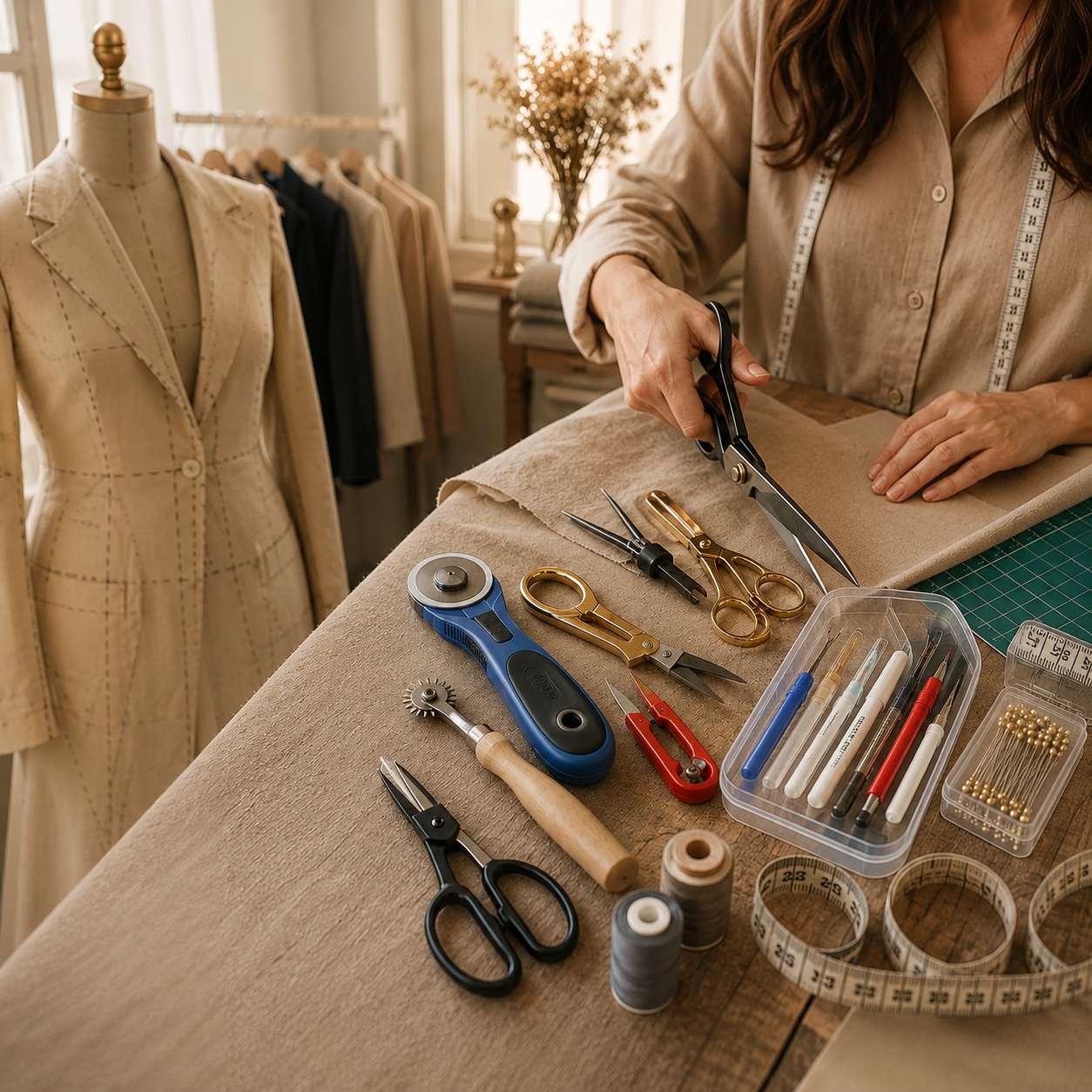
Sewing Scissors, Tailor Shears & Fabric Cutting Tools for Dressmaking, Quilting & Embroidery
Professional Sewing Scissors Trusted by Makers Since 1951
Accurate cutting is the foundation of every successful sewing project. Whether you're drafting a garment, quilting a blanket, trimming embroidery threads or cutting leather for a handbag, the quality of your cutting tools directly affects the final result.
Since 1951, Accessoires Leduc has supplied professional sewing notions, tailoring tools and garment-making equipment to designers, tailors, sewing schools and creative makers across Belgium and Europe. Our collection includes professional tailor shears, fabric scissors, rotary cutters, embroidery scissors, pinking shears, seam rippers and specialist cutting tools selected for precision, durability and long-term performance.
From everyday sewing projects to professional garment production, these tools help makers achieve cleaner cuts, greater accuracy and a more efficient workflow.
How to Choose the Right Cutting Tool
Different projects require different cutting solutions.
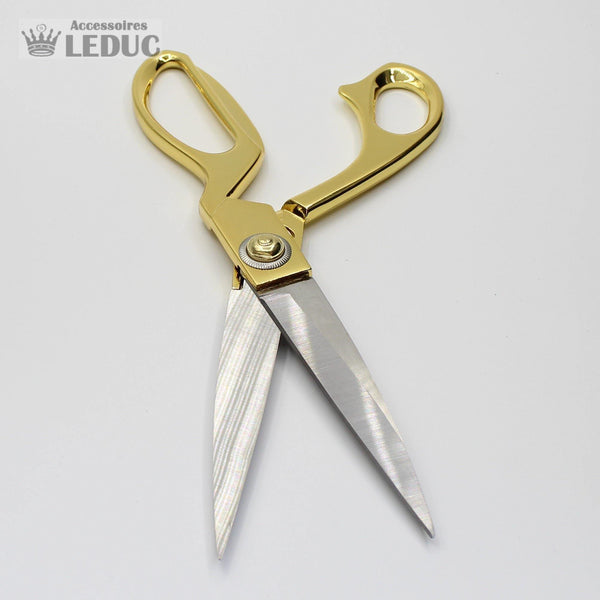
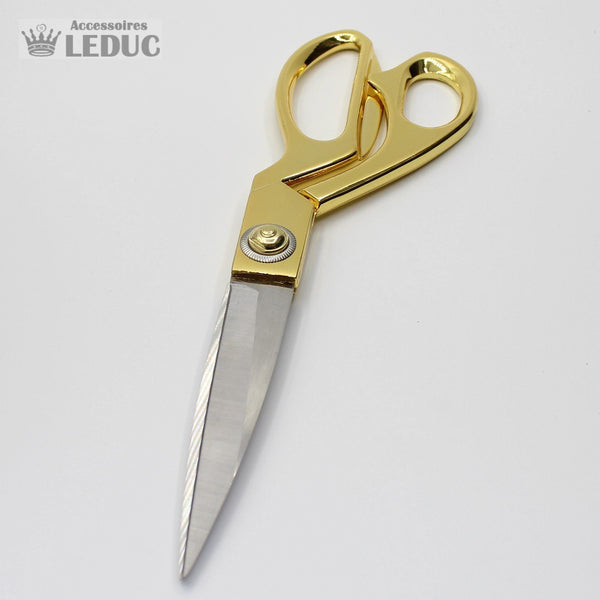
Choose Tailor Shears for Dressmaking & Garment Construction
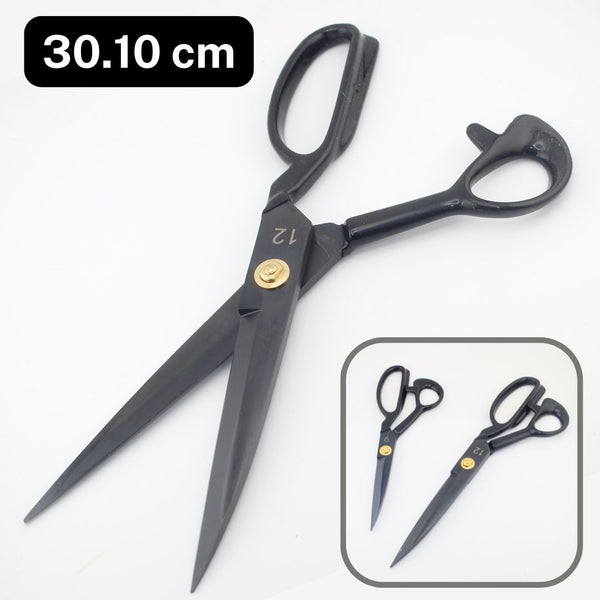
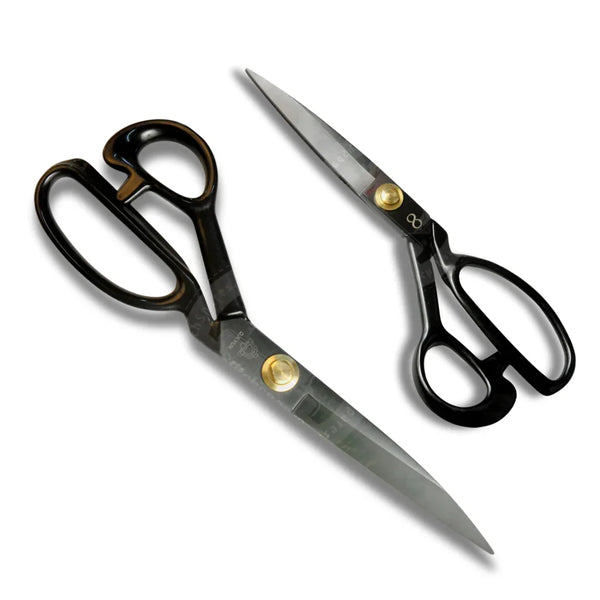
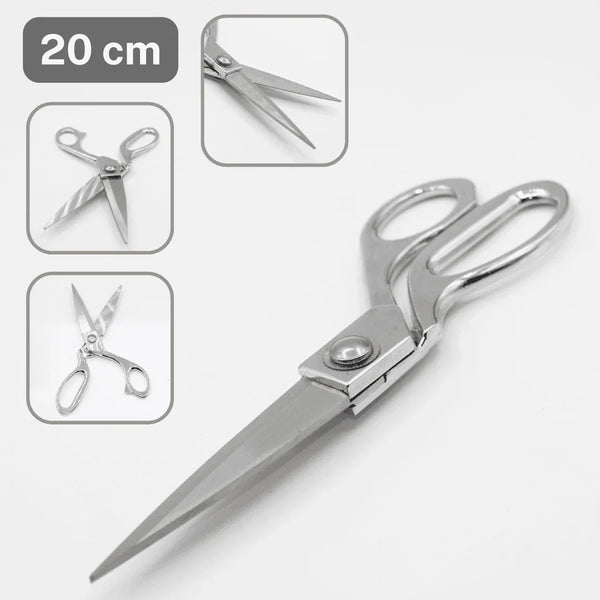
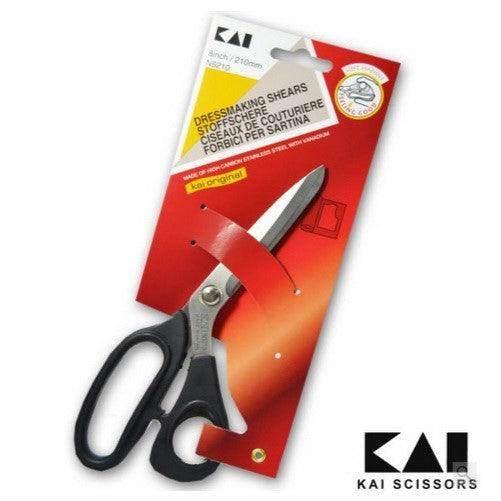
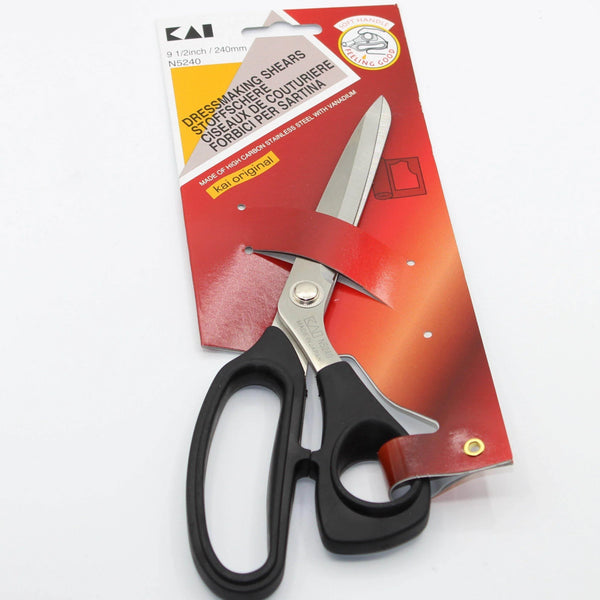
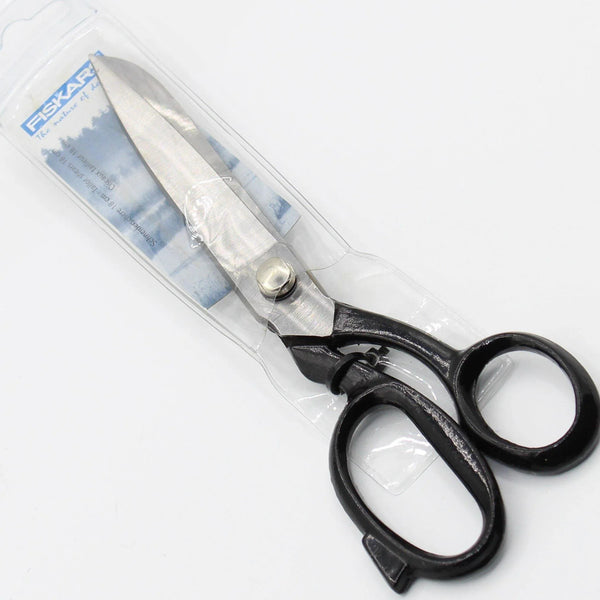
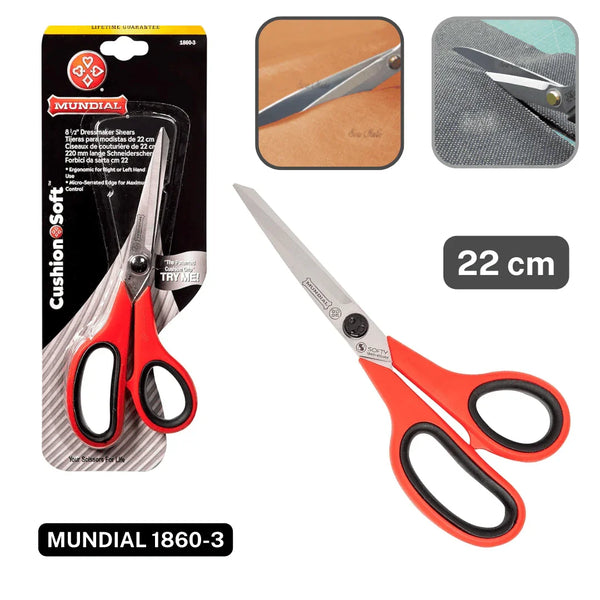
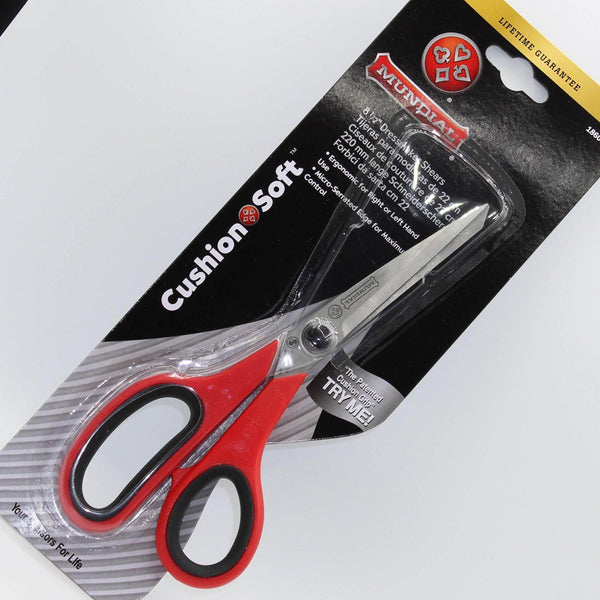
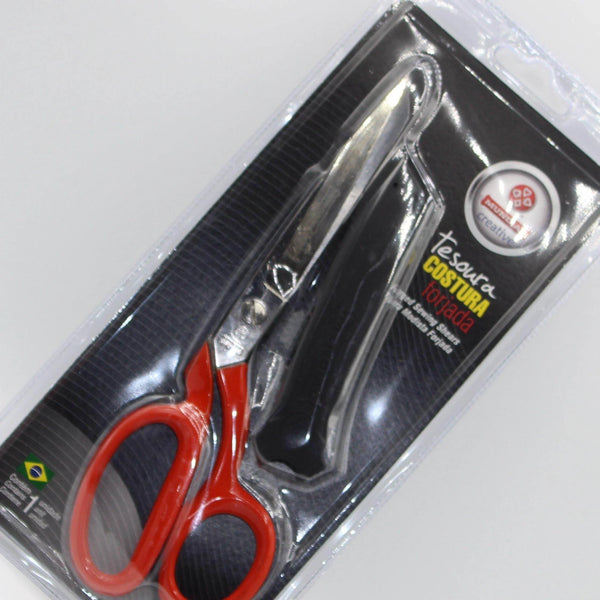
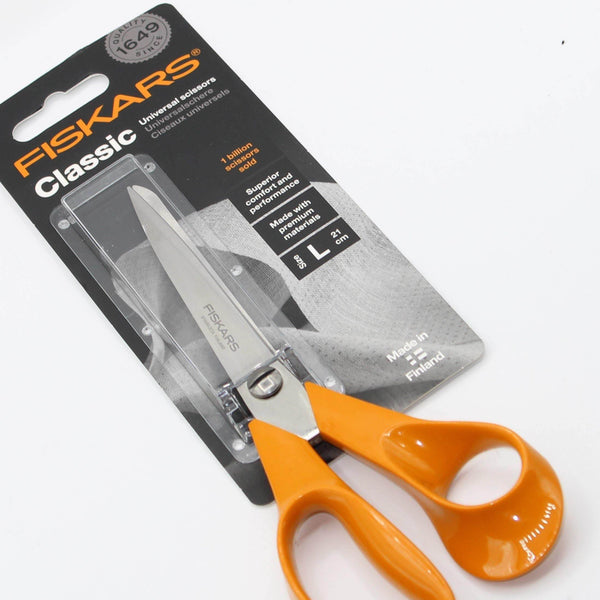
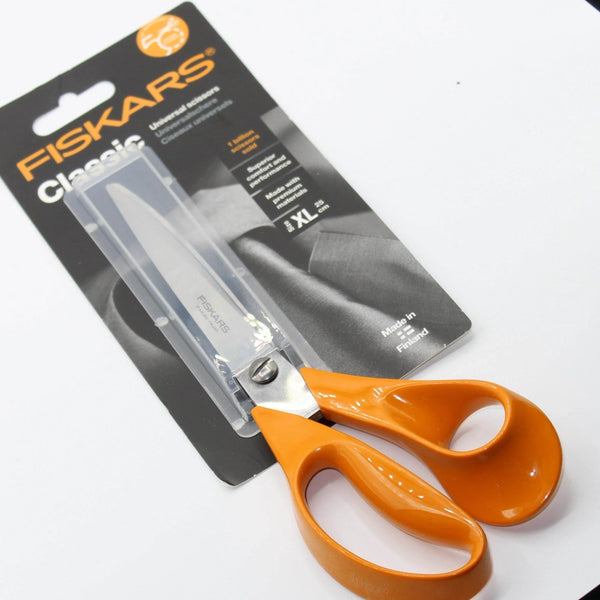
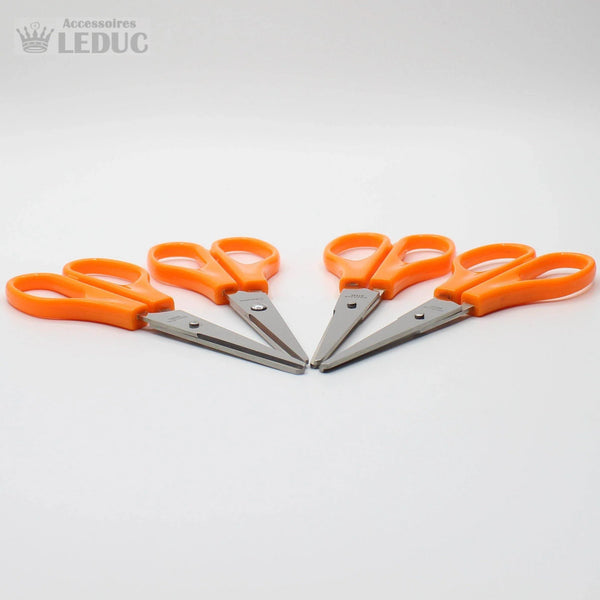
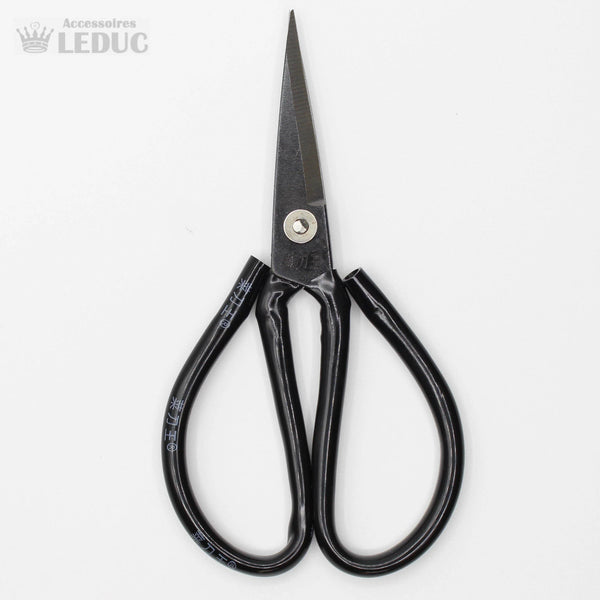
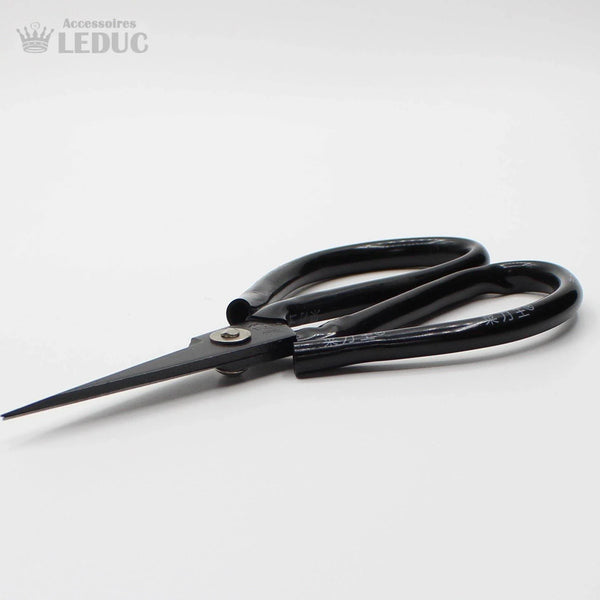
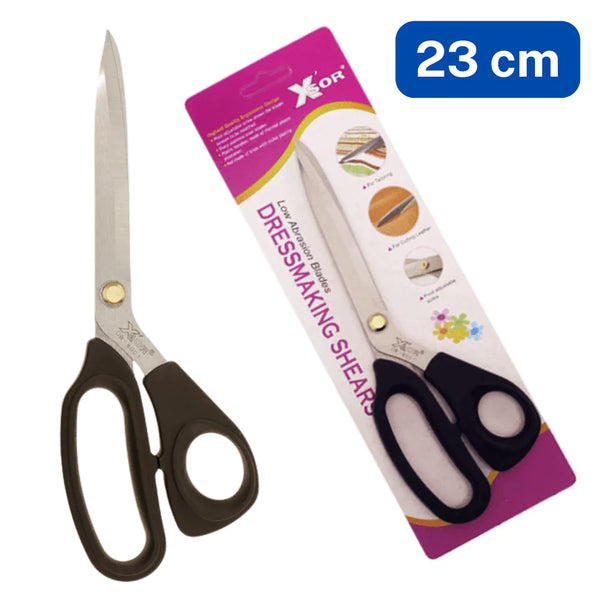
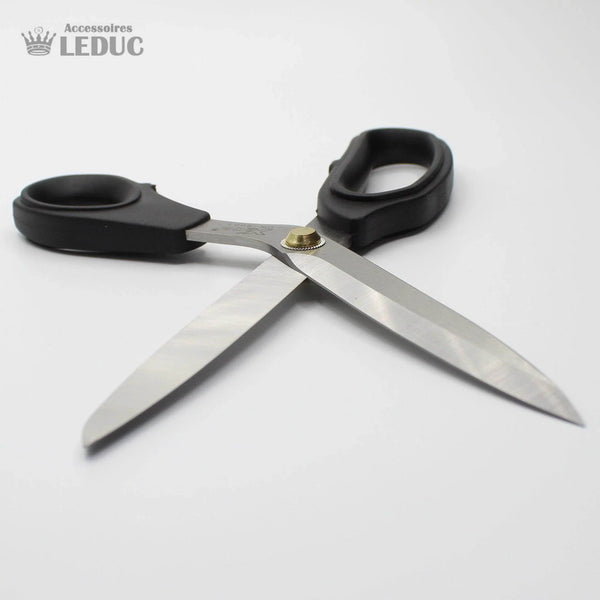
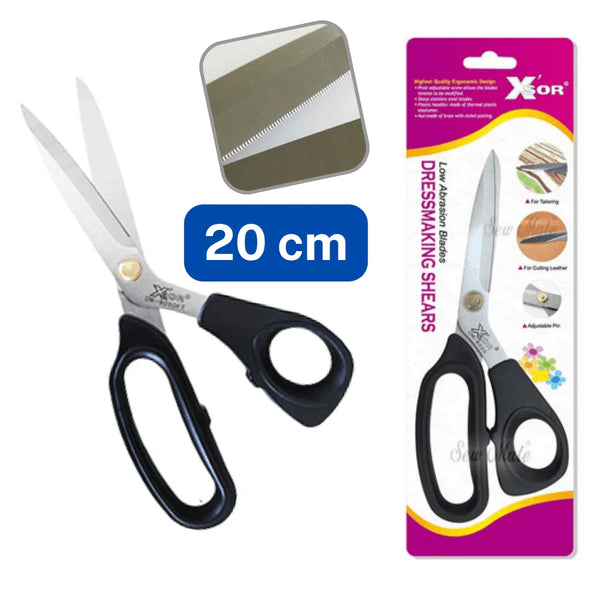
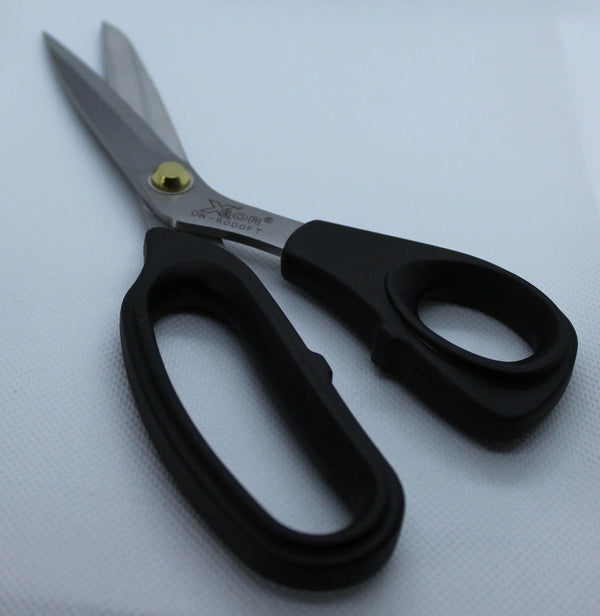
Tailor shears are designed for cutting fabric patterns and garment pieces. Their long blades provide smooth, accurate cuts and make them essential for dressmaking and tailoring.
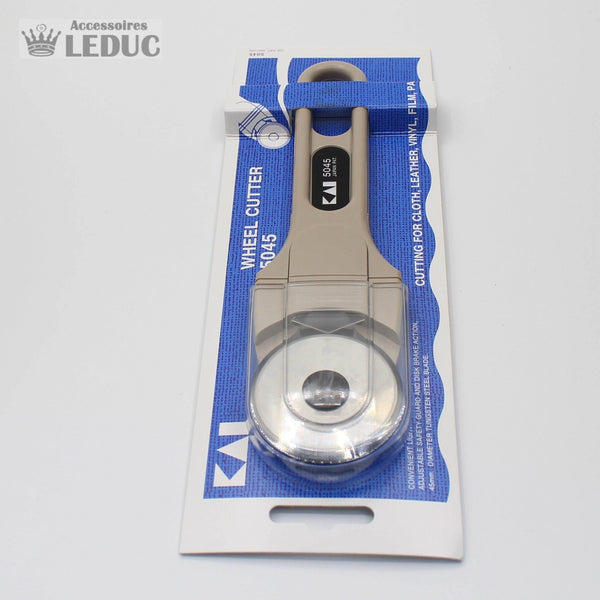
Choose Rotary Cutters for Quilting & Patchwork
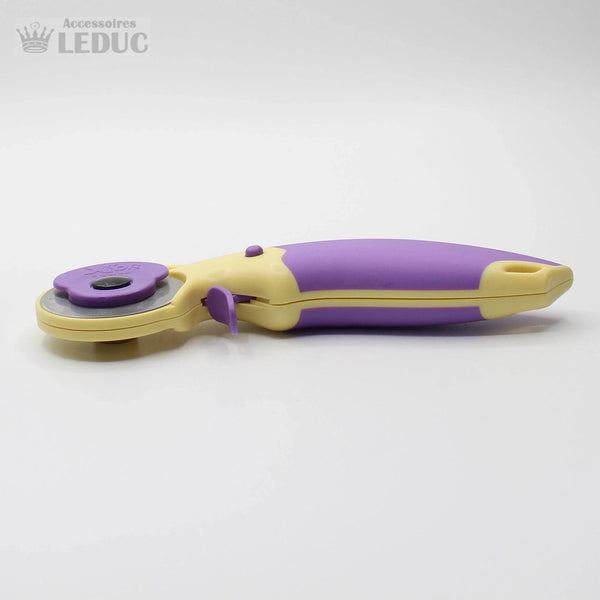
Rotary cutters are particularly popular among quilters because they allow fast, precise cutting of multiple fabric layers while maintaining straight lines and clean edges.
Choose Embroidery Scissors for Detailed Work
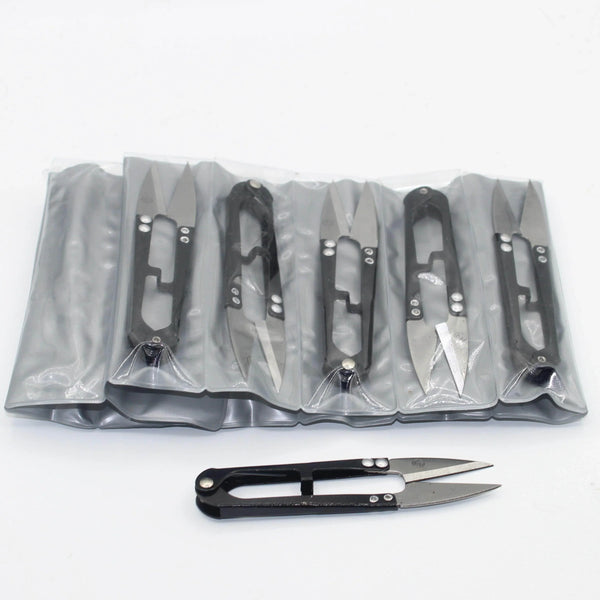
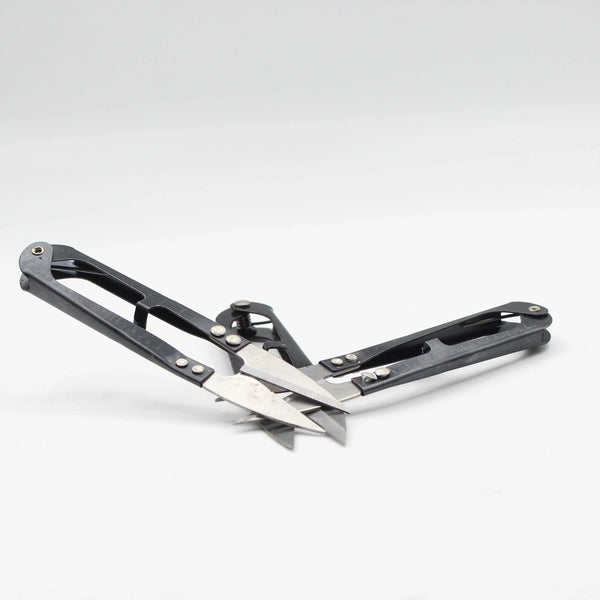
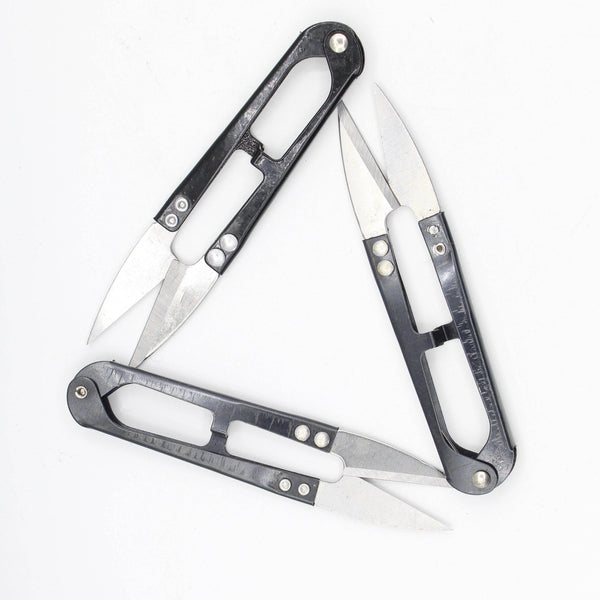
Small embroidery scissors and thread snips are ideal for trimming threads, appliqué work and intricate sewing tasks where precision is critical.
Choose Pinking Shears for Decorative & Anti-Fray Edges
Pinking shears create a zigzag edge that helps reduce fraying while adding a decorative finish to fabric edges.
Choose Leathercraft Cutting Tools for Heavier Materials
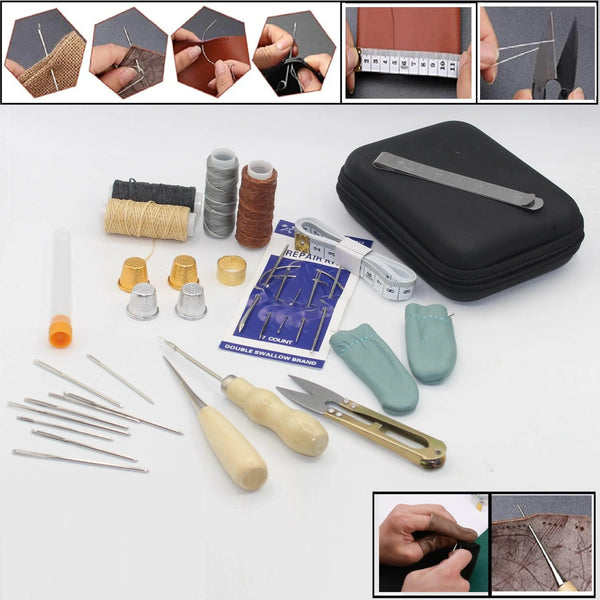
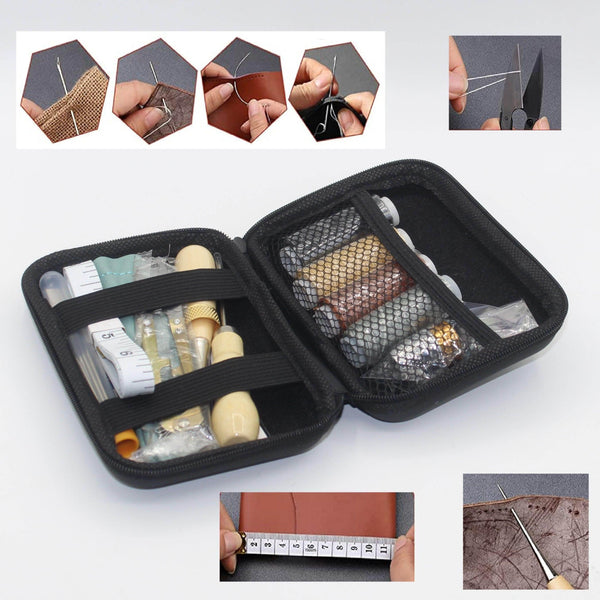
Specialised cutting tools are designed to work effectively with leather, synthetic materials and thicker textiles used in bags and accessories.
Professional Fabric Cutting Tips
Experienced makers often follow a few simple rules:
- Reserve fabric scissors exclusively for textiles.
- Use separate scissors for paper patterns.
- Replace rotary cutter blades regularly.
- Cut on appropriate cutting mats when using rotary tools.
- Keep blades clean and protected.
- Choose cutting tools based on material thickness and project type.
These habits help maintain blade sharpness and improve cutting accuracy over time.
Most Popular Cutting Tools Among Professionals
Our best-selling products include professional tailor shears for garment construction, rotary cutters for quilting and precision embroidery scissors for detailed finishing work.
Fashion studios often rely on long-blade shears for cutting patterns, while quilters prefer rotary systems for repetitive precision cutting. Embroidery makers and alteration specialists frequently use compact scissors for thread trimming and finishing details.
Each tool is designed to solve a specific cutting challenge more efficiently.
Why Sharp Cutting Tools Matter
Many sewing problems begin long before stitching starts.
Dull scissors can distort fabric, reduce cutting accuracy and create uneven edges that affect garment construction. Sharp, properly maintained cutting tools improve precision, reduce hand fatigue and contribute to better sewing results.
For professional makers, quality cutting tools are often considered one of the most important investments in the sewing room.
Why Professionals Trust Accessoires Leduc
For more than seventy years, Accessoires Leduc has supplied sewing tools and accessories trusted by tailors, designers, sewing educators and creative professionals throughout Europe.
Our experience comes from supporting makers who depend on reliable tools every day. Every cutting tool in our collection is selected for performance, comfort and durability, helping customers achieve professional-quality results regardless of project size.
Whether you're sewing your first garment or operating a professional atelier, we help you choose cutting tools with confidence.
Complete Your Sewing Toolkit
Cutting tools work best when paired with other professional sewing supplies.
Explore our Sewing Threads, Sewing Needles, Fabric Markers, Pattern Making Supplies, Measuring Tools and Interfacing Materials to create a complete workflow from pattern drafting to final construction.
Many customers also combine cutting tools with Quilting Accessories, Leathercraft Supplies and Embroidery Tools for specialised projects.
Together, these collections support dressmaking, tailoring, quilting, embroidery and creative sewing.
Frequently Asked Questions
What is the difference between tailor shears and regular scissors?
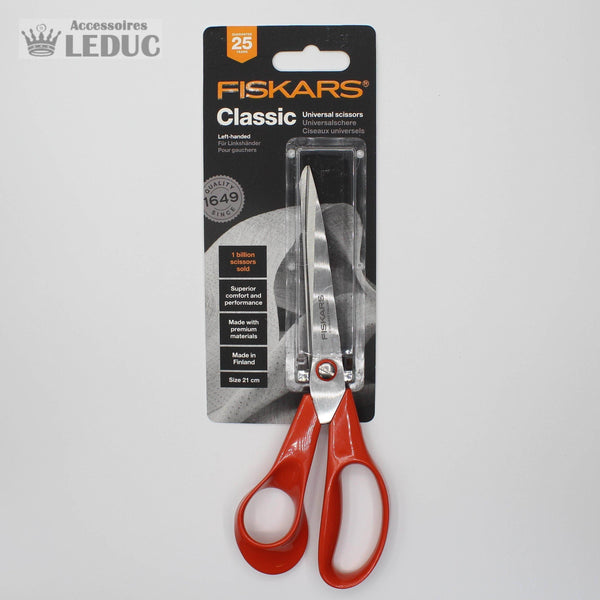
Tailor shears are specifically designed for fabric cutting and feature longer blades that create smoother, more accurate cuts.
Are rotary cutters better than scissors?
Rotary cutters excel at straight-line cutting and quilting applications, while scissors offer greater flexibility for curved and detailed cuts.
What scissors are best for embroidery?
Small embroidery scissors with sharp pointed blades provide the greatest precision for trimming threads and detailed work.
Why should fabric scissors not be used on paper?
Paper dulls blades more quickly, reducing cutting performance on fabric.
How often should rotary cutter blades be replaced?
Replacement frequency depends on usage, but blades should be changed when cutting becomes less smooth or requires extra pressure.
What are pinking shears used for?
Pinking shears create zigzag edges that help reduce fraying and add decorative finishes to fabric projects.
32 products