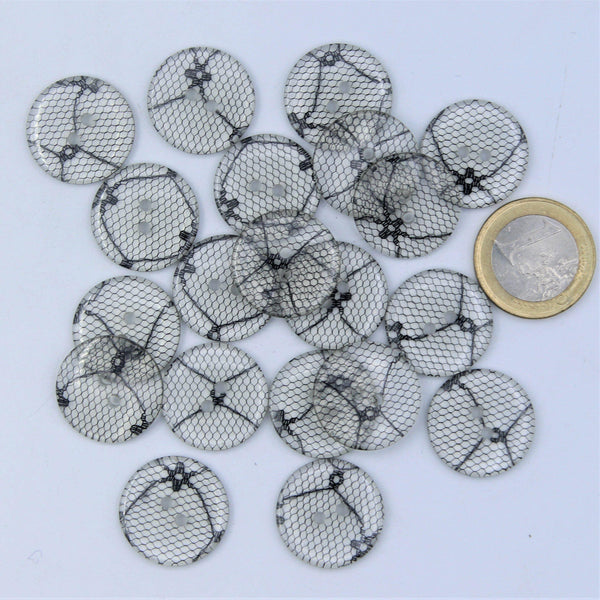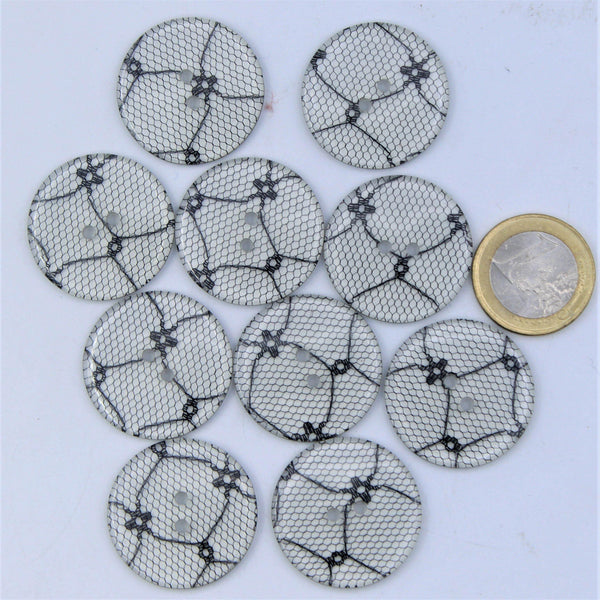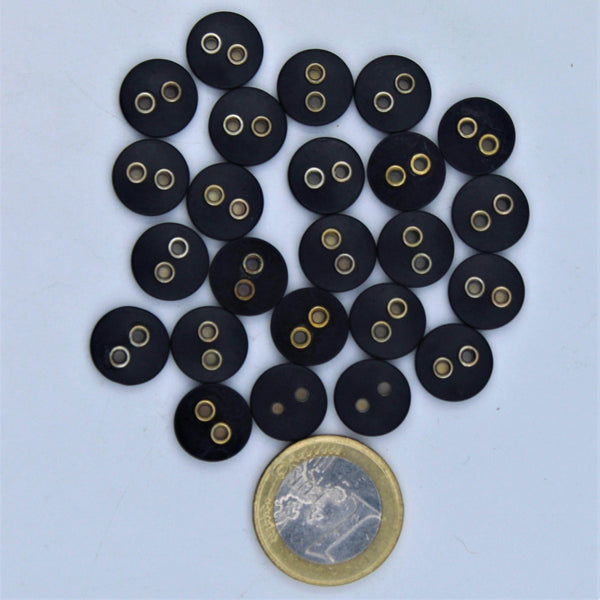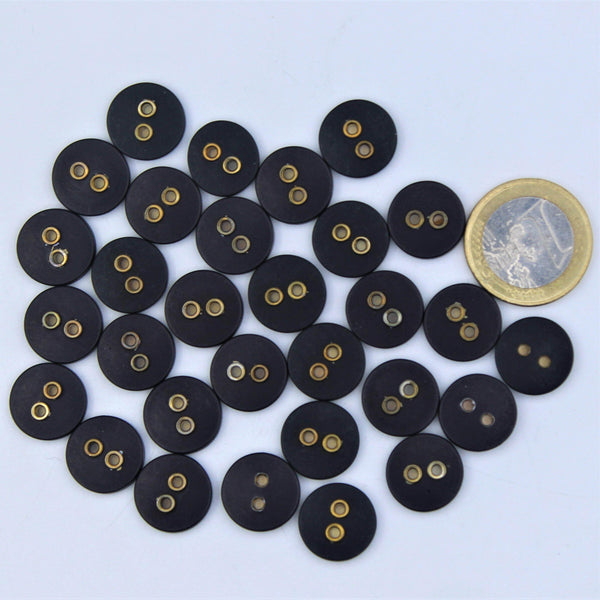
2-Hole Sewing Buttons | Shirt, Shell, Wooden & Polyester Buttons
Professional 2-Hole Sewing Buttons Trusted by Makers Since 1951
Simple, elegant and versatile, 2-hole sewing buttons remain one of the most widely used fastening solutions in garment making. Their clean appearance, lightweight construction and ease of attachment make them a popular choice for shirts, blouses, knitwear, children's clothing and decorative sewing projects.
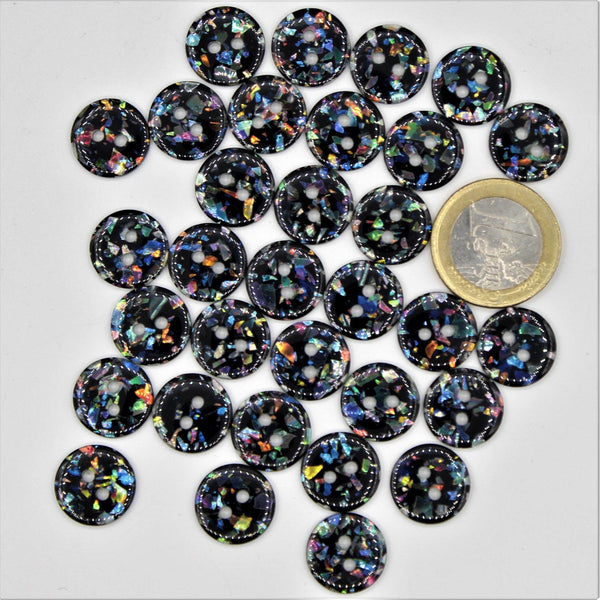
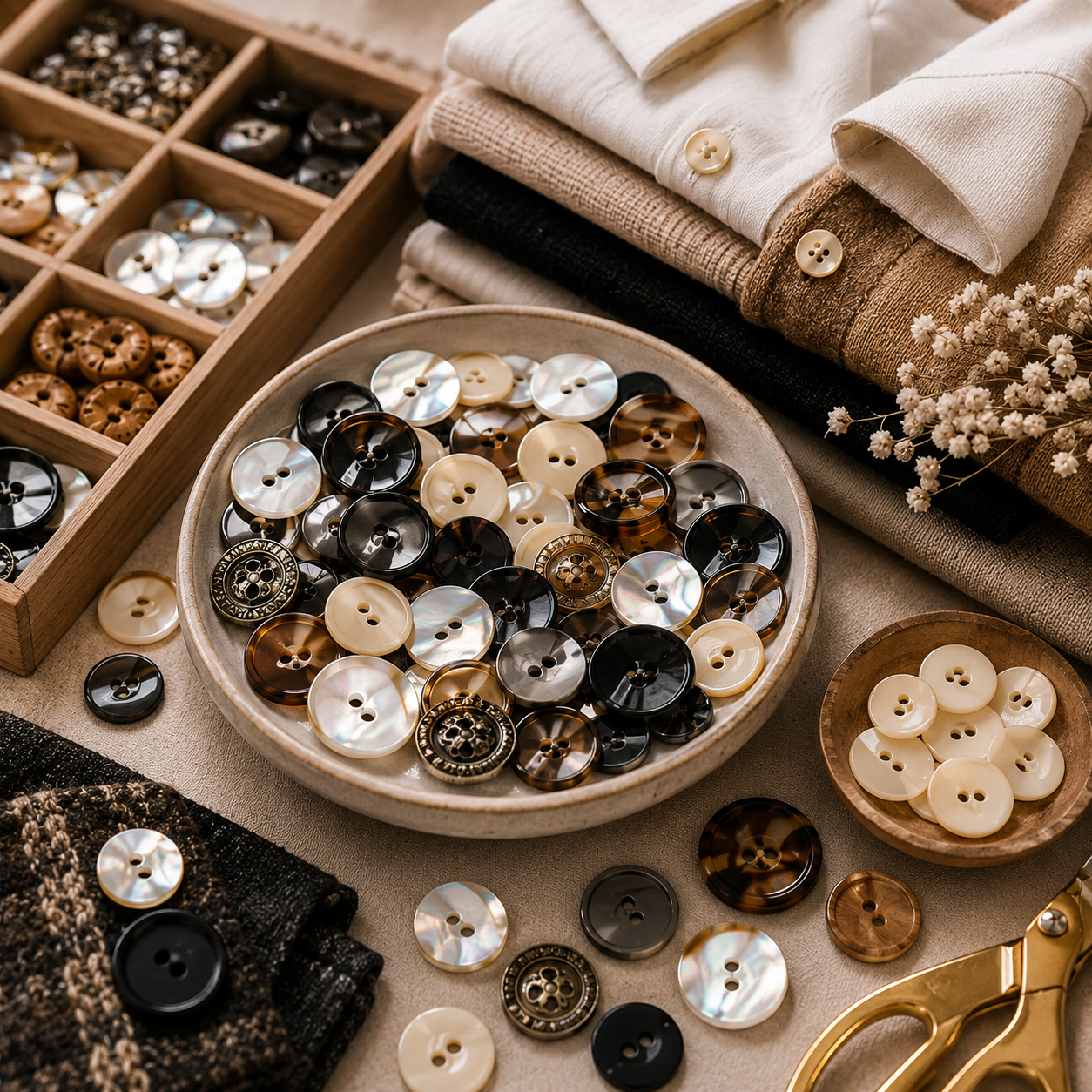
Since 1951, Accessoires Leduc has supplied sewing notions, garment accessories and tailoring materials to professional ateliers, fashion designers, sewing schools and creative makers throughout Belgium and Europe. Our carefully curated collection brings together classic polyester shirt buttons, genuine Akoya shell buttons, natural wooden buttons, decorative fashion styles and premium metal finishes suitable for both everyday garments and designer creations.
Whether you're replacing a missing button, creating a handmade cardigan or producing a fashion collection, these buttons combine functionality, durability and timeless style.
How to Choose the Right 2-Hole Button
Different button materials create different visual effects and sewing experiences.
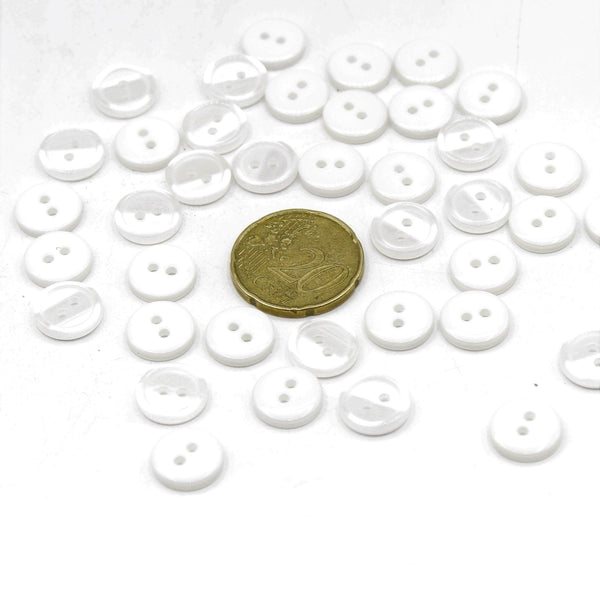
Choose Polyester Buttons for Everyday Garments
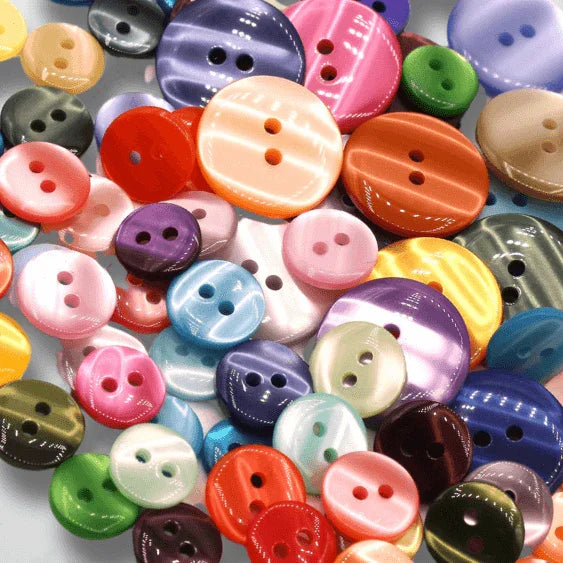
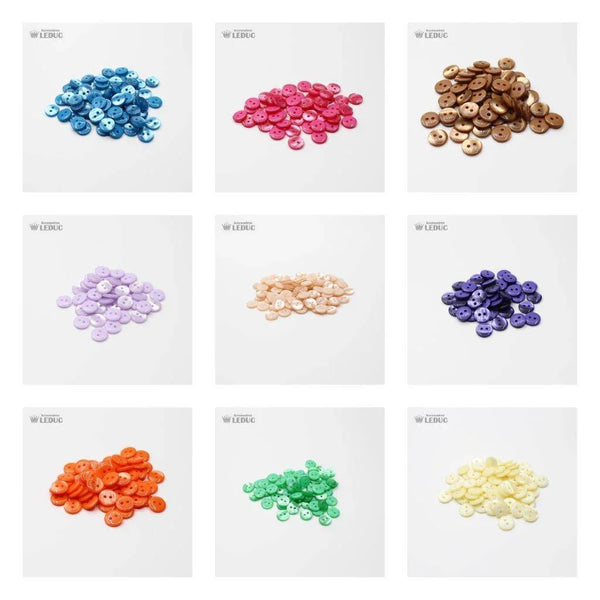
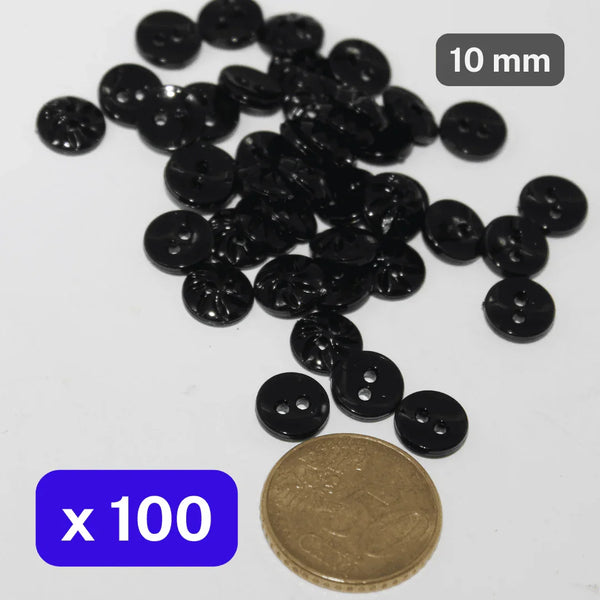
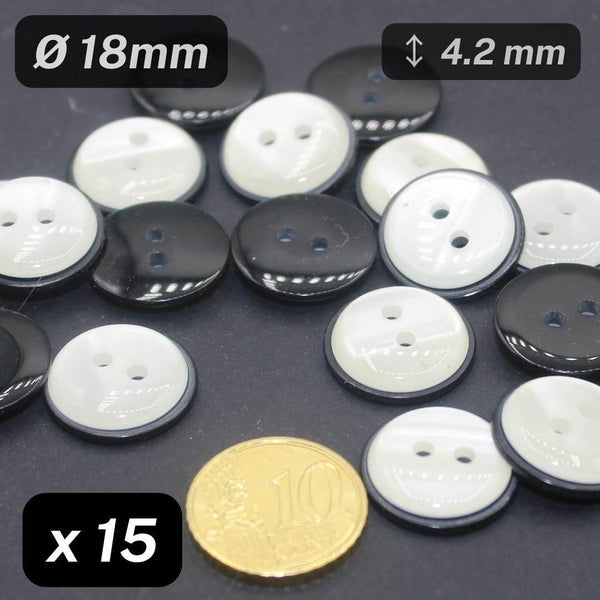
Polyester buttons are durable, lightweight and easy to maintain. They are ideal for shirts, blouses, school uniforms and everyday clothing because they resist wear and frequent washing.
Choose Akoya Shell Buttons for Premium Garments
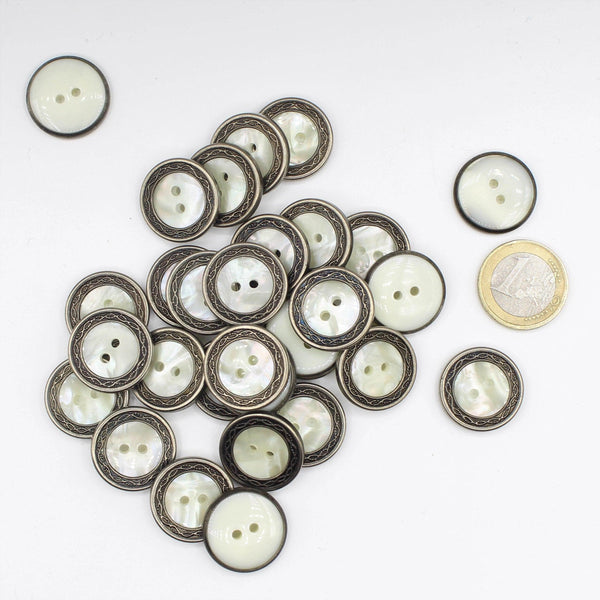
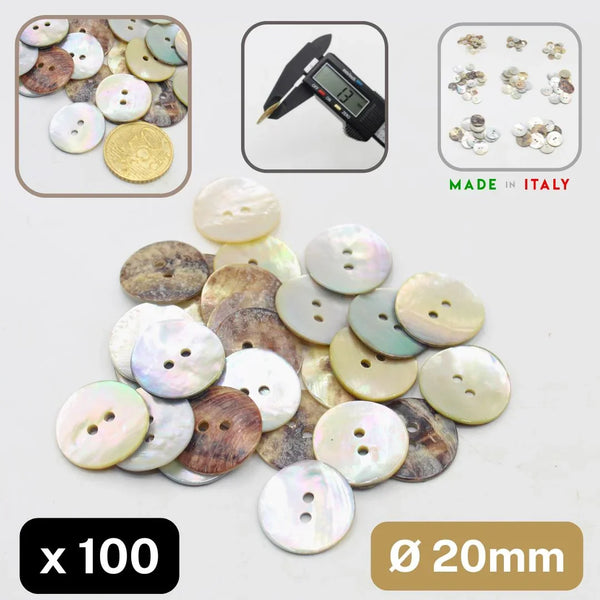
Akoya shell buttons offer natural beauty and subtle iridescence. They are frequently used in luxury shirts, fine tailoring and premium garments where elegant finishing details matter.
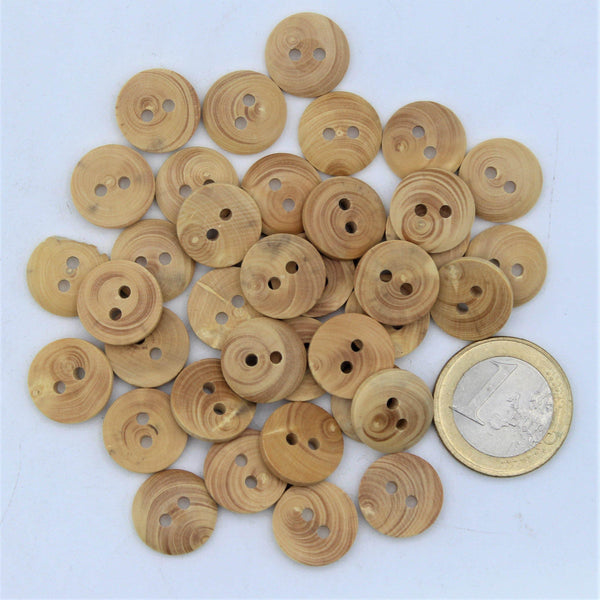
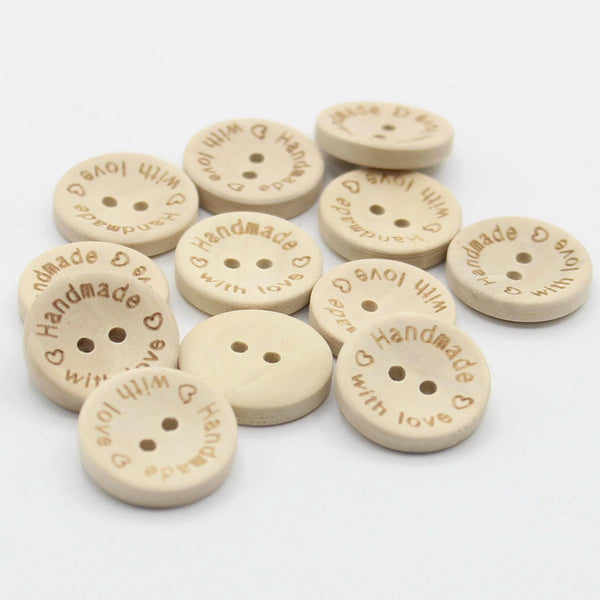
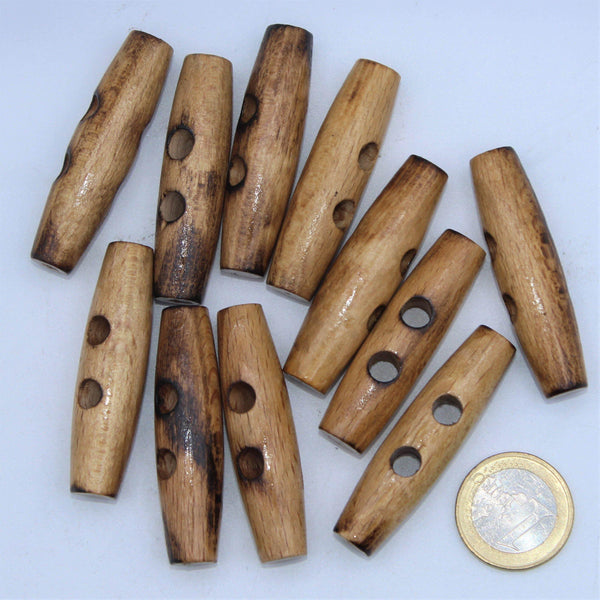
Choose Wooden & Coconut Buttons for Natural Style
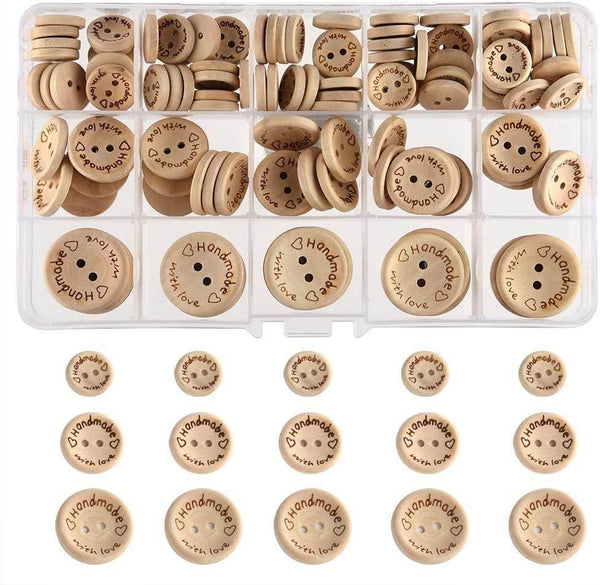
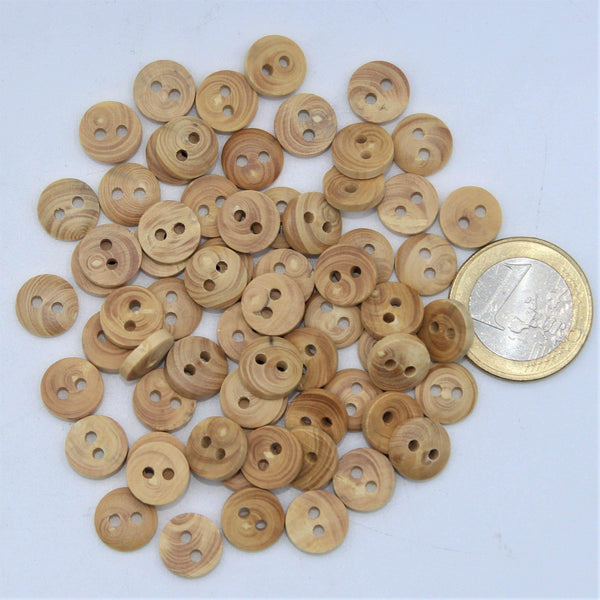
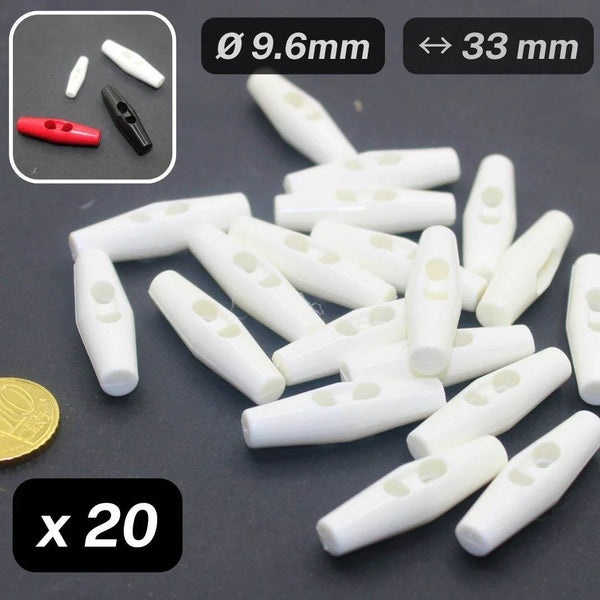
Wooden and coconut buttons create a warm, organic appearance that pairs beautifully with linen, knitwear, children's clothing and handmade fashion projects.
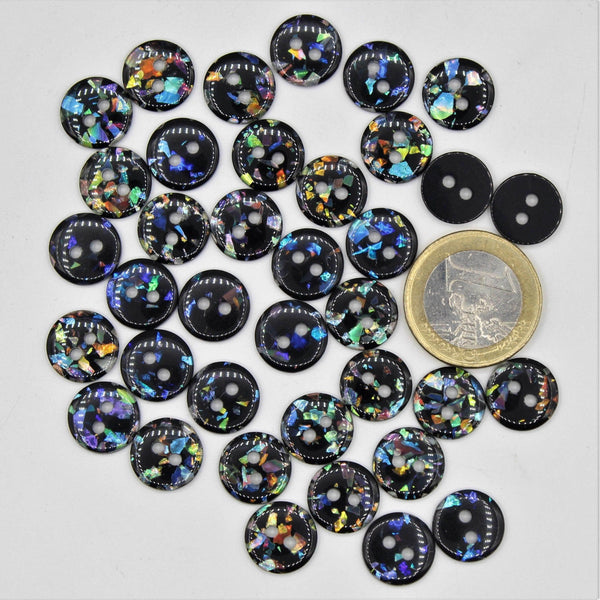
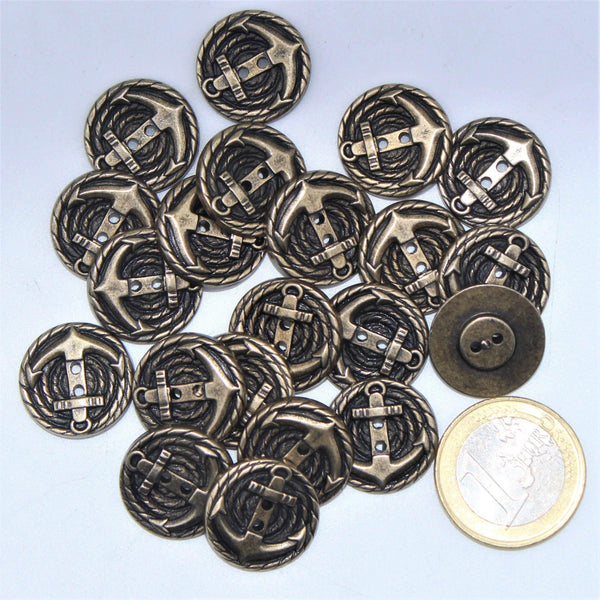
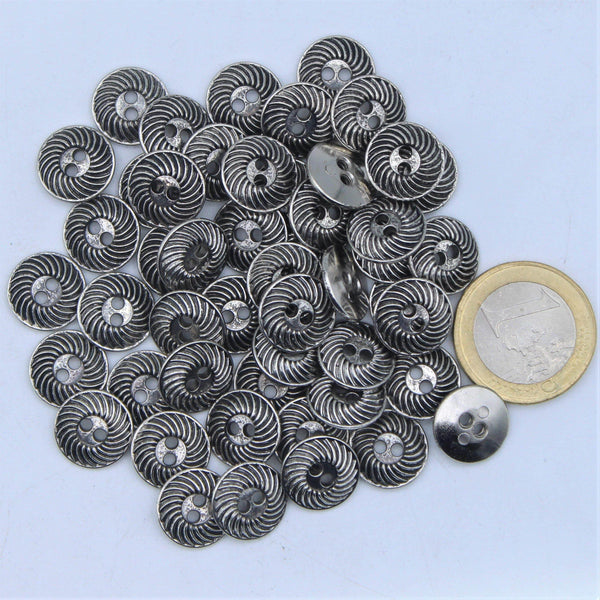
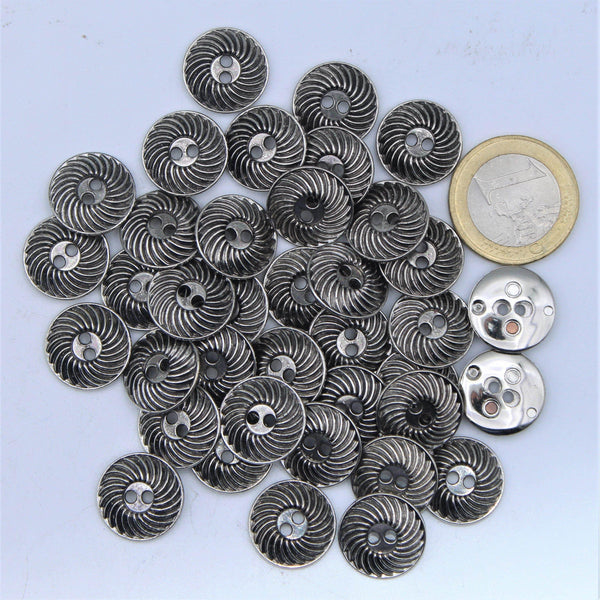
Choose Decorative Metal Buttons for Statement Designs
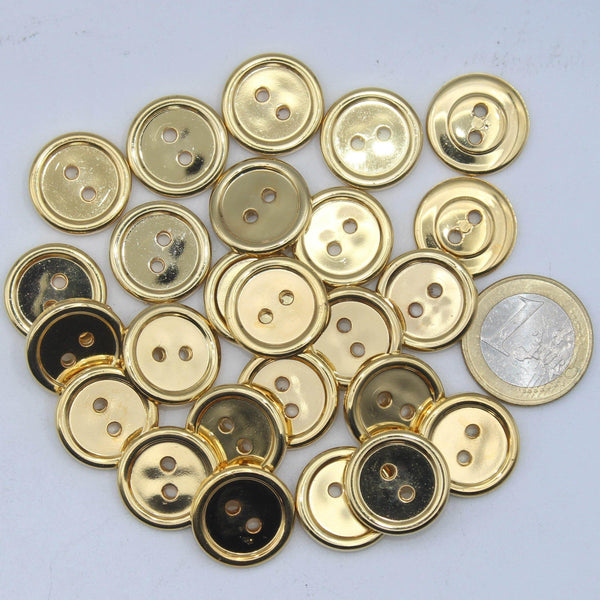
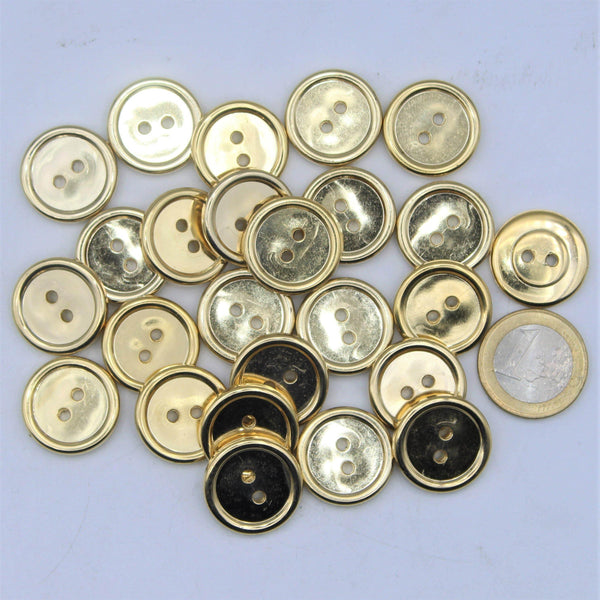
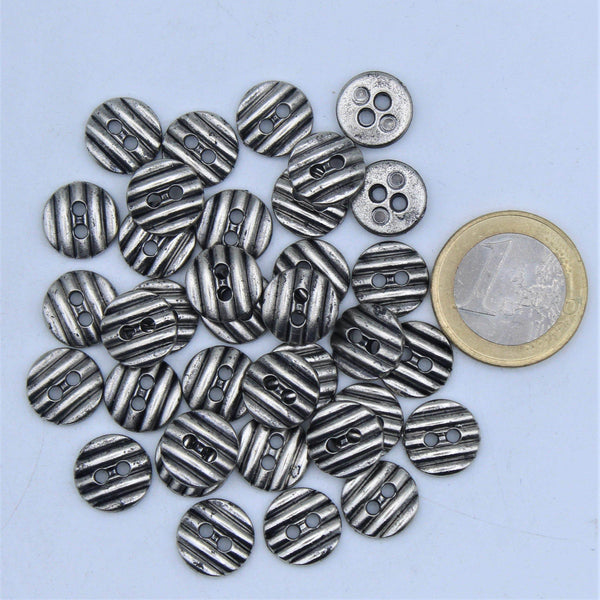
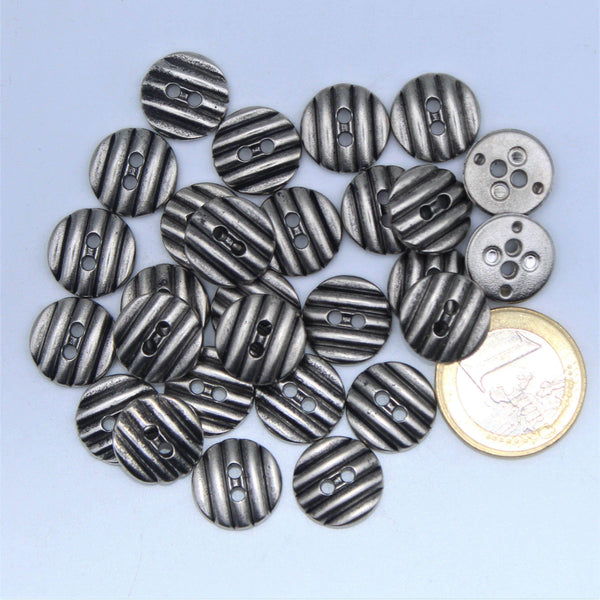
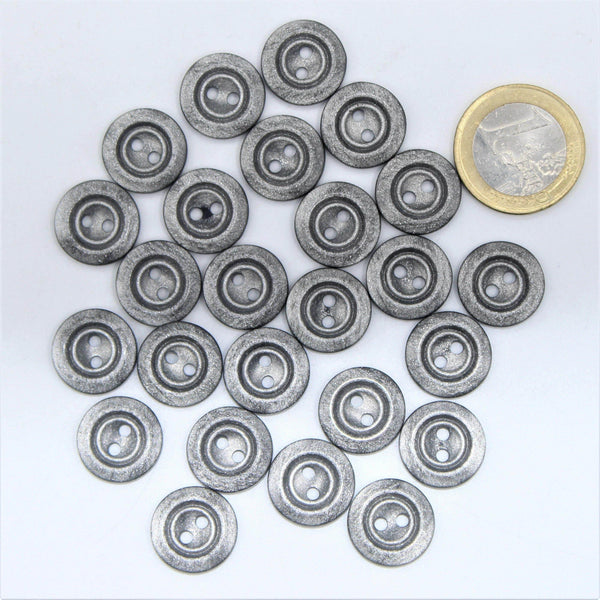
Metal and zamak buttons are often selected for fashion-forward garments, boutique collections and decorative applications where the button becomes a visible design feature.
Choose Lightweight Buttons for Knitwear & Children's Clothing
Because 2-hole buttons sit flat against fabric and are generally lighter than many alternative button styles, they are particularly well suited to knitwear, baby garments and lightweight fabrics.
Professional Button Selection Rules
Experienced garment makers often follow a few simple principles:
- Match button weight to fabric weight.
- Use shell buttons for premium shirts and luxury garments.
- Choose polyester buttons for everyday wear and easy maintenance.
- Select wooden buttons for natural and handmade aesthetics.
- Keep visible buttons consistent in material and finish throughout a garment.
- Test button size against buttonhole dimensions before final construction.
These simple guidelines help create garments that feel balanced, comfortable and professionally finished.
Most Popular Choices Among Designers & Tailors
Our best-selling styles include classic white polyester shirt buttons, Akoya shell buttons for premium shirting, wooden buttons for knitwear and handmade garments, and decorative zamak buttons for contemporary fashion collections.
Fashion designers frequently combine shell buttons with linen and cotton fabrics, while knitwear makers often choose wooden and coconut buttons to complement natural fibres. Repair specialists and tailoring workshops regularly select polyester buttons because of their versatility and durability.
A Material with Character: Why Shell Buttons Remain Popular
Natural shell buttons have been used in garment making for generations. Their subtle shimmer, lightweight feel and unique surface variations make them a favourite among shirt makers and luxury garment brands.
Because every shell button develops slightly different visual characteristics, they add a level of individuality that cannot be fully replicated by synthetic materials.
Why Professionals Trust Accessoires Leduc
For more than seventy years, Accessoires Leduc has helped makers choose the right finishing details for their garments and creative projects.
Our expertise comes from decades of supplying real sewing professionals, tailors, designers and ateliers who rely on quality materials every day. This practical experience helps us curate button collections that combine aesthetics, durability and usability.
Whether you're repairing a beloved garment or developing a new fashion collection, we help makers source the right button with confidence.
Complete Your Sewing Toolkit
Buttons are only one part of a successful sewing project.
Many makers combine buttons with Sewing Threads, Sewing Needles, Interfacing Materials and Tailoring Supplies to achieve professional garment construction and finishing. For knitwear and handmade garments, our Ribbons, Decorative Trims and Garment Accessories provide additional opportunities for creative expression.
Together, these collections help transform ideas into beautifully finished garments.
Frequently Asked Questions
What is the difference between 2-hole and 4-hole buttons?
2-hole buttons have a simpler appearance and are often lighter, making them ideal for shirts, blouses and lightweight garments. 4-hole buttons generally provide additional stitching strength for heavier applications.
Are shell buttons suitable for everyday wear?
Yes. Genuine shell buttons are durable enough for everyday garments while offering a more refined appearance than many synthetic alternatives.
What are wooden buttons best used for?
Wooden buttons are particularly popular for knitwear, children's clothing, handmade garments and natural-fibre fashion projects.
Which buttons are best for shirts?
Polyester and shell buttons remain the most common choices because they are lightweight, comfortable and available in a wide range of sizes and finishes.
Can 2-hole buttons be used on coats?
Yes, provided the button size and material are appropriate for the garment weight. Larger 2-hole buttons are often used on lightweight coats and cardigans.
How do I choose the right button size?
The ideal button size depends on fabric weight, garment type and buttonhole dimensions. Always test button size before final assembly.
86 products