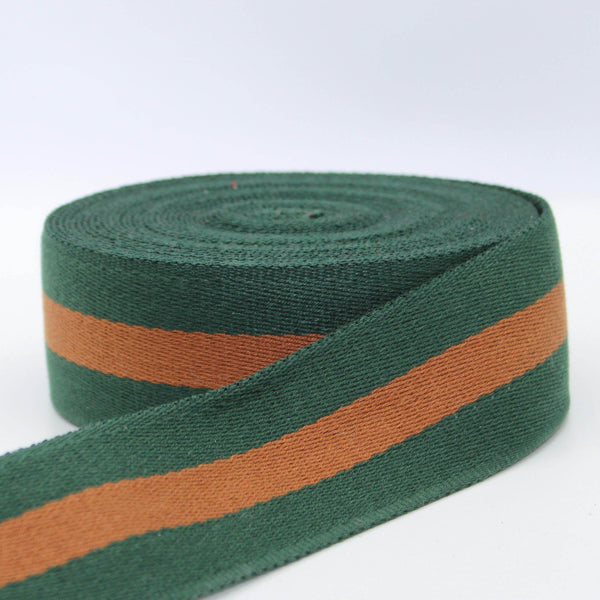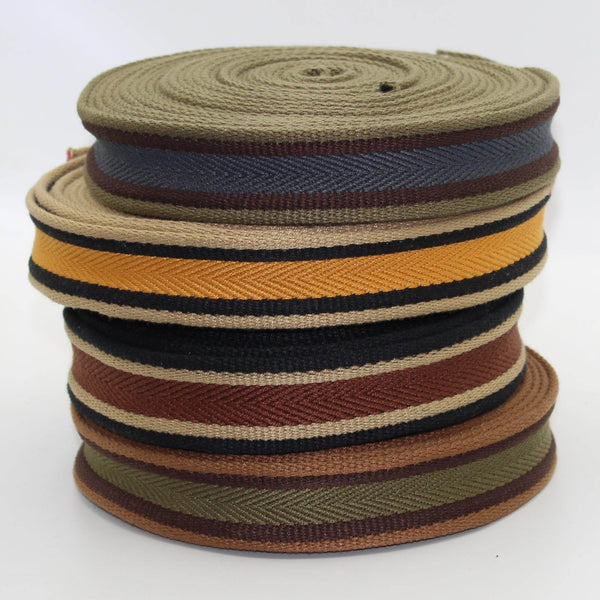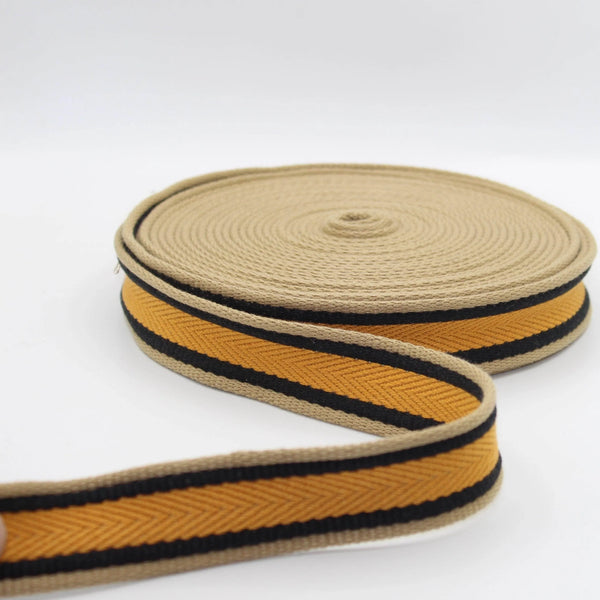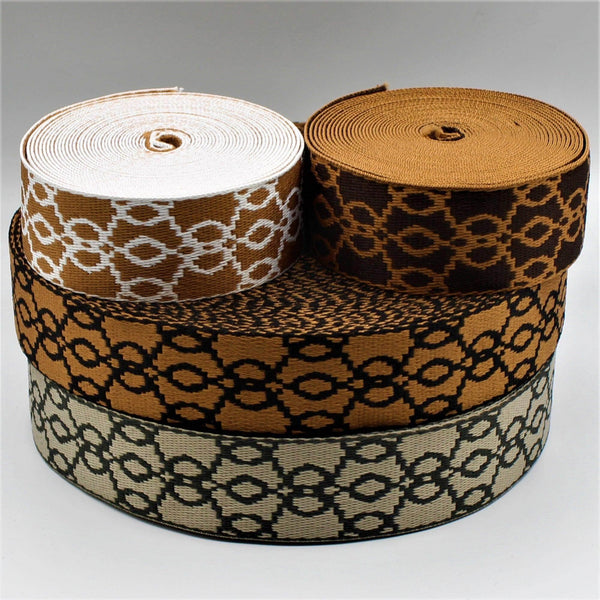

Bag Making Webbing & Strap Materials | Cotton, Jacquard, Lurex & Polyester
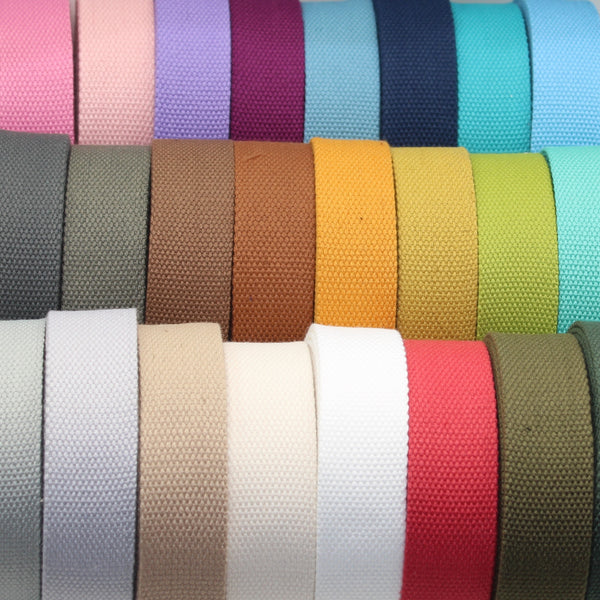
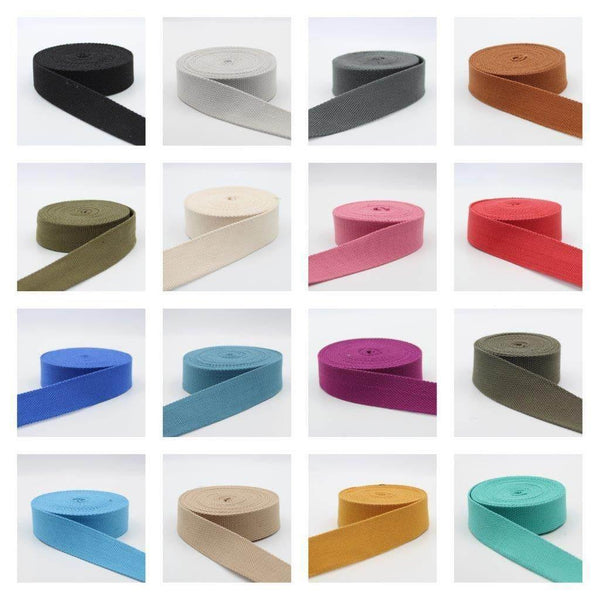
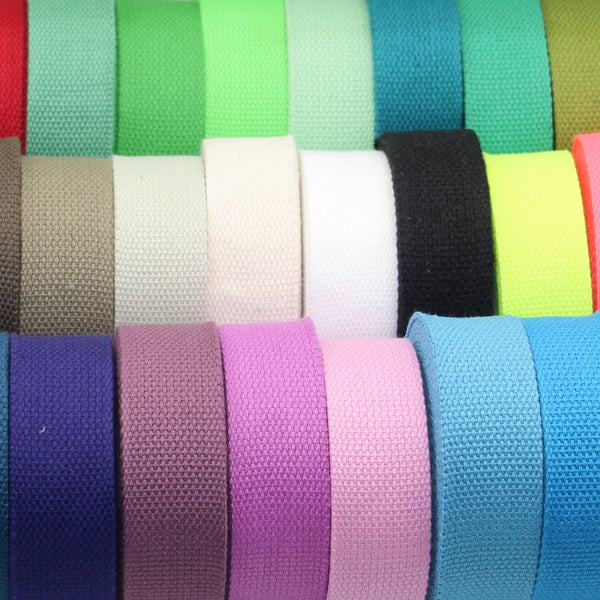
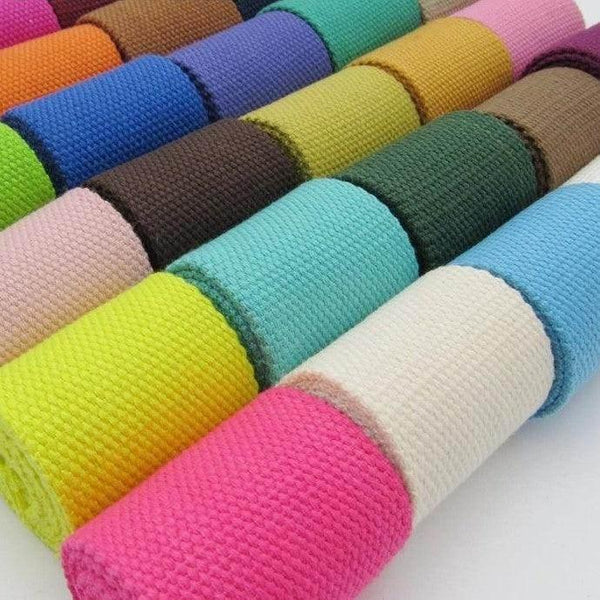
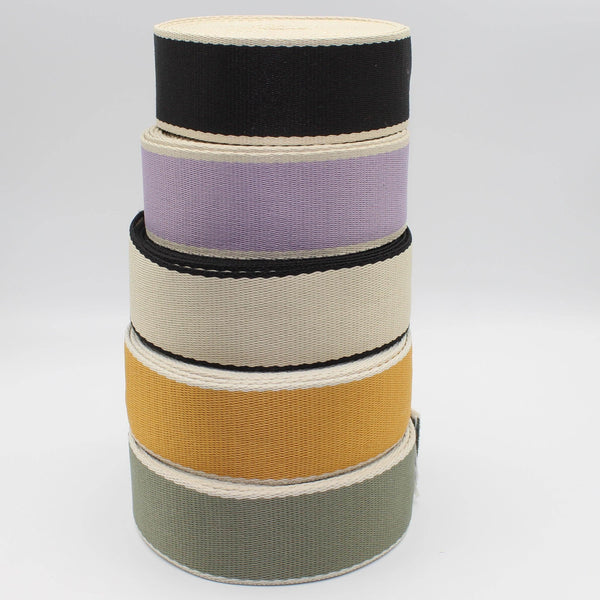
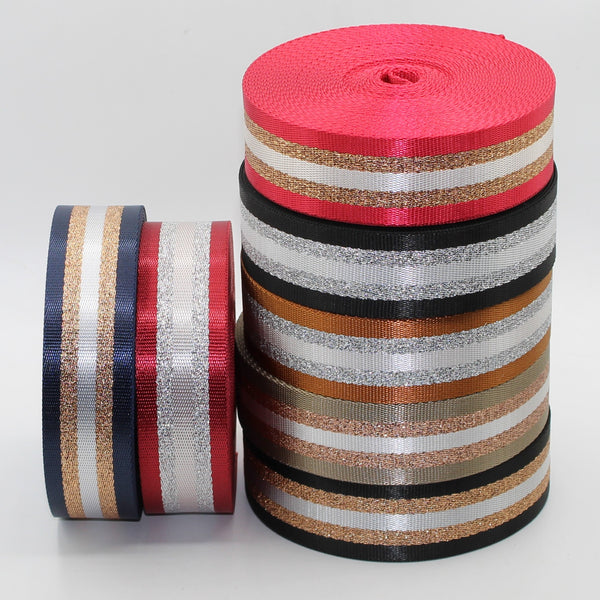
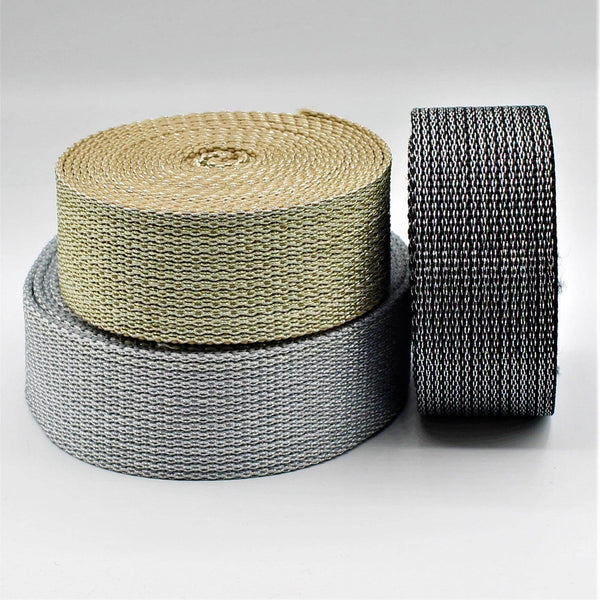
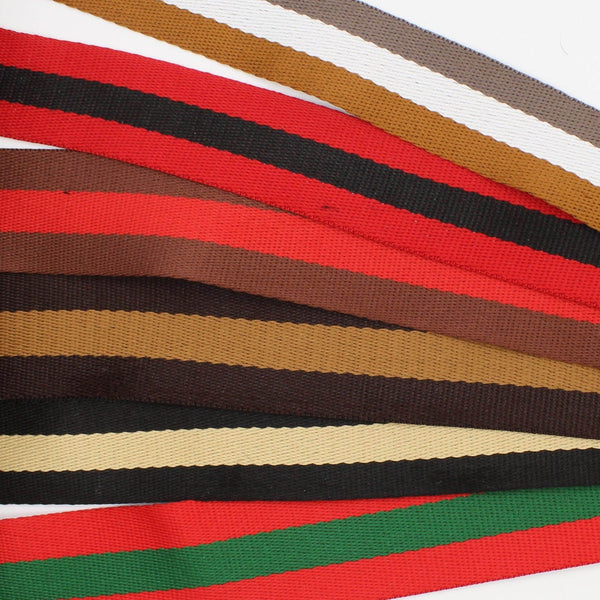
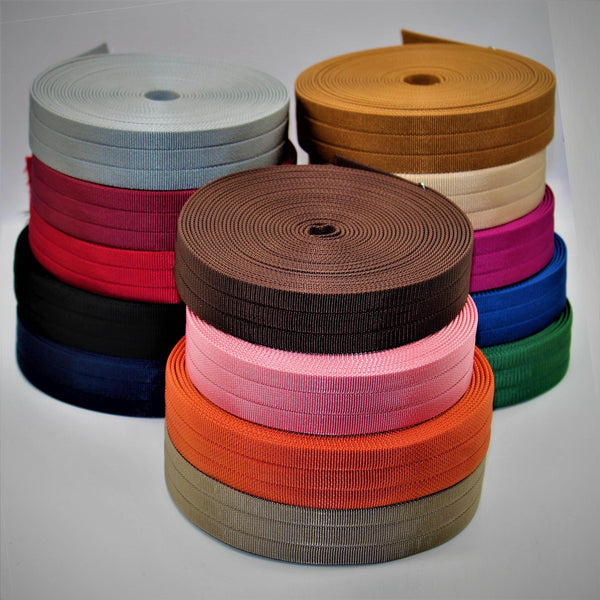
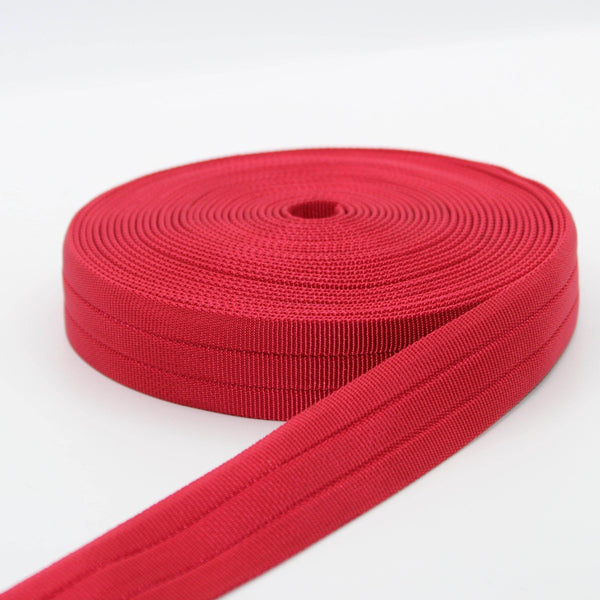
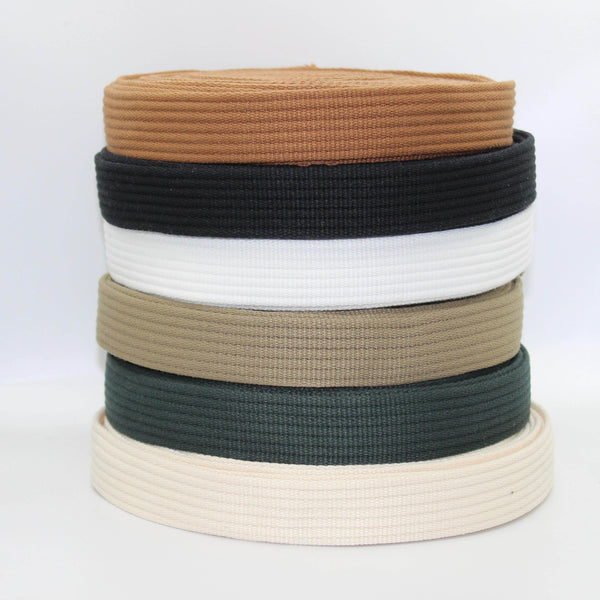
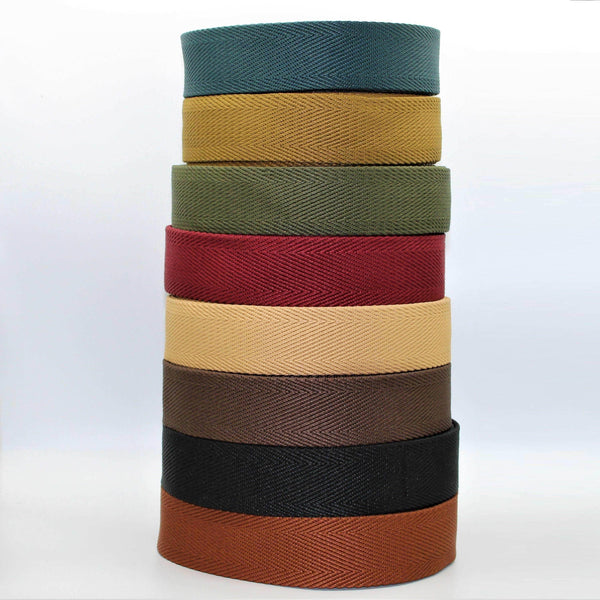
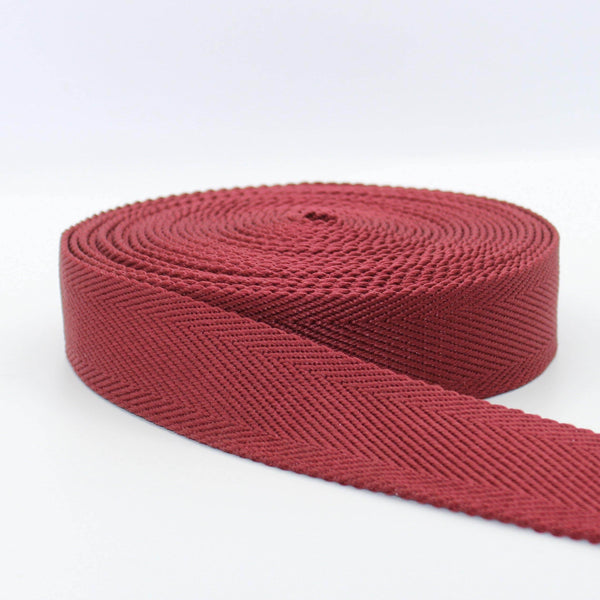
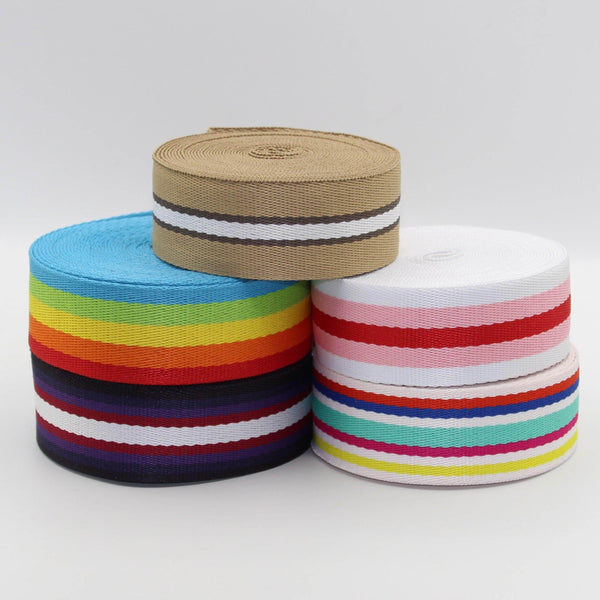
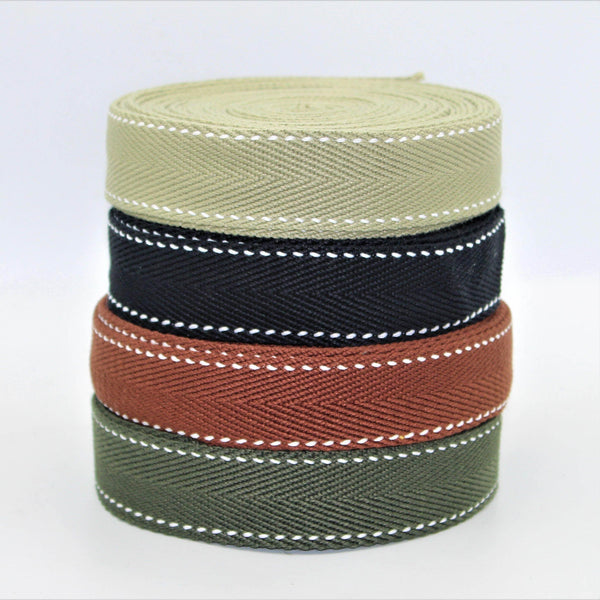
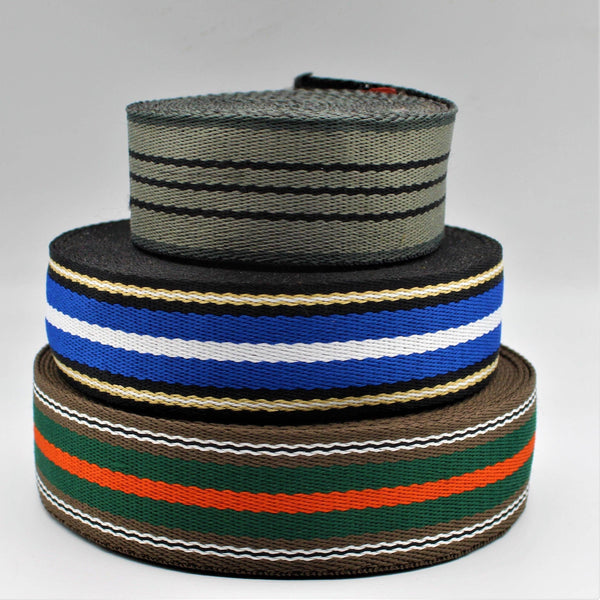
Bag making has grown from a niche craft into one of the most popular categories in handmade fashion — and the strap is often what makes a bag feel finished or unfinished. This collection brings together cotton webbing, jacquard woven straps, lurex-striped tapes, polyester webbing and decorative herringbone tape for handbags, totes, backpacks and accessories. It's a category we've expanded significantly at Accessoires Leduc precisely because of how much interest we've seen from independent bag makers, fashion design students and small studios producing their own accessory lines alongside garments.
Buying guide: matching webbing to your project
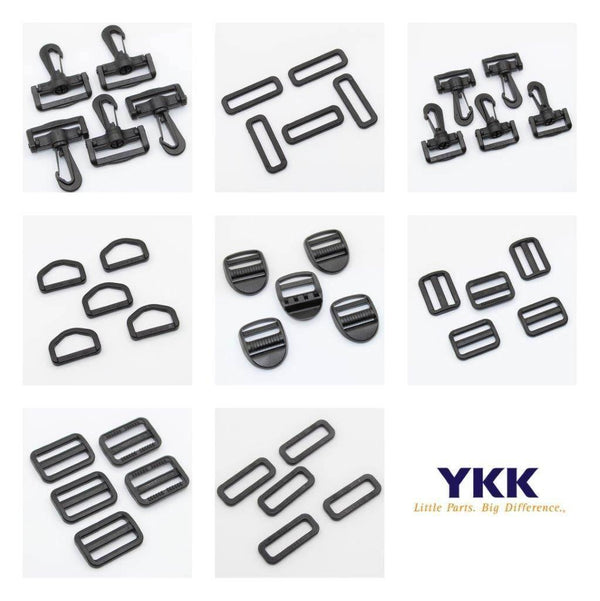
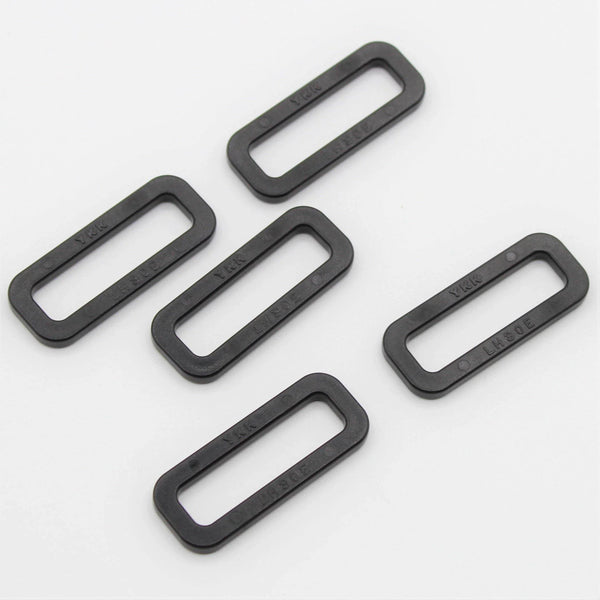
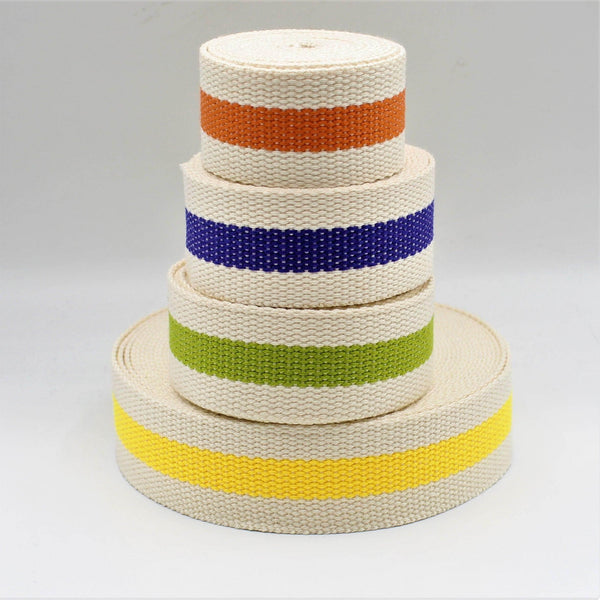
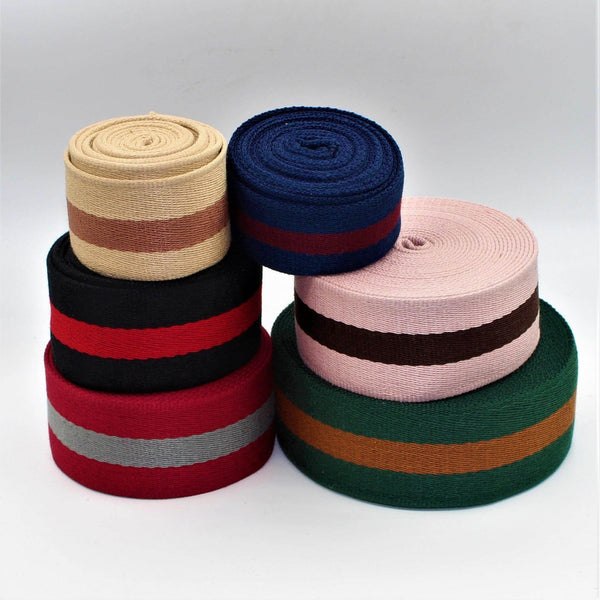
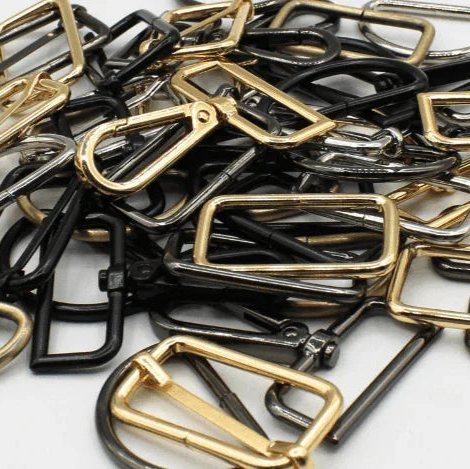
Start by thinking about how the strap will be used. A tote bag handle that's gripped by hand benefits from a wider webbing — 30 to 40mm in cotton or polyester — which distributes weight comfortably across the palm. A crossbody or adjustable shoulder strap, by contrast, often works better in a narrower 20–25mm width, especially if it needs to pass through hardware like sliders and D-rings.
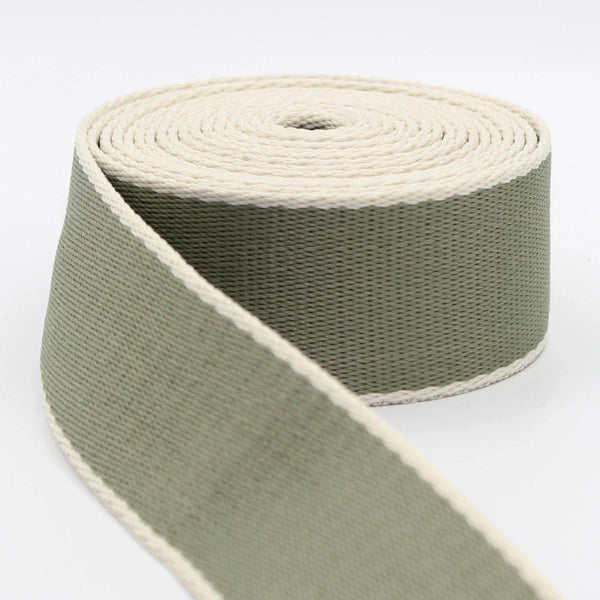
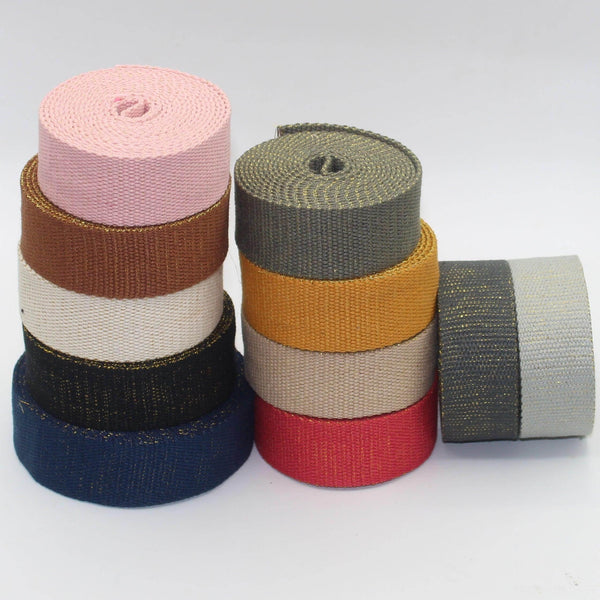
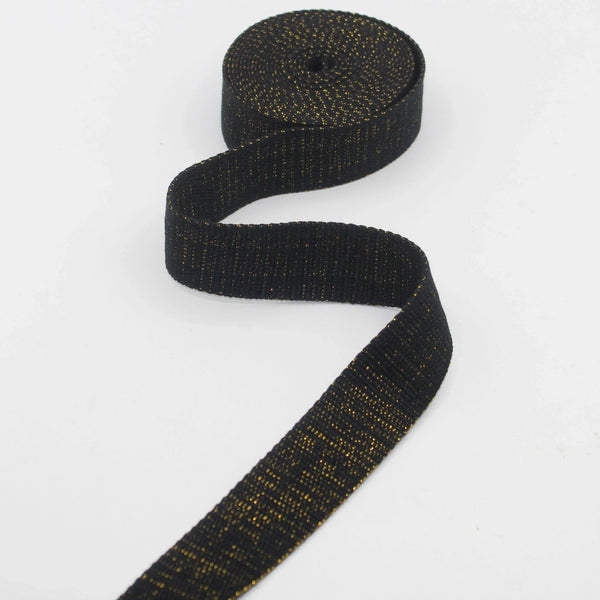
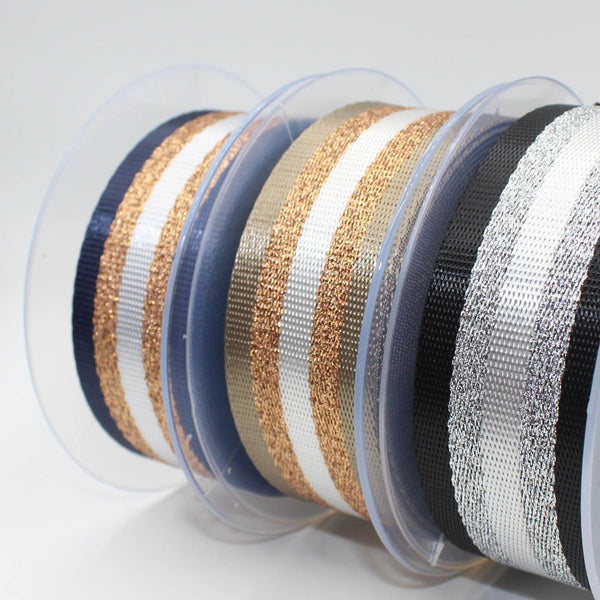
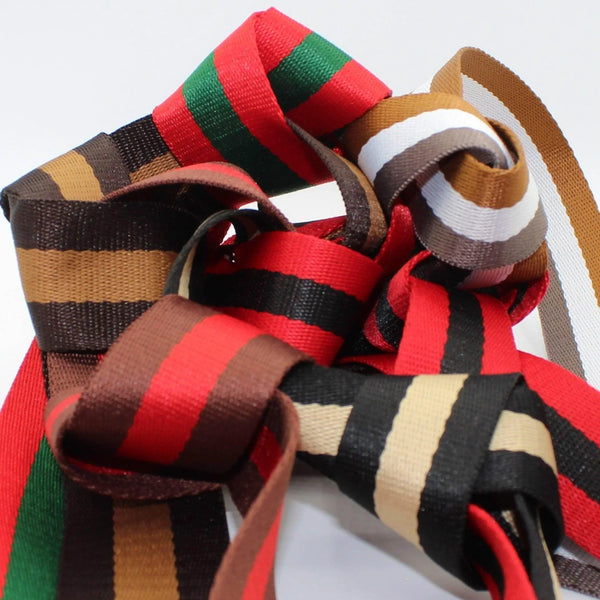
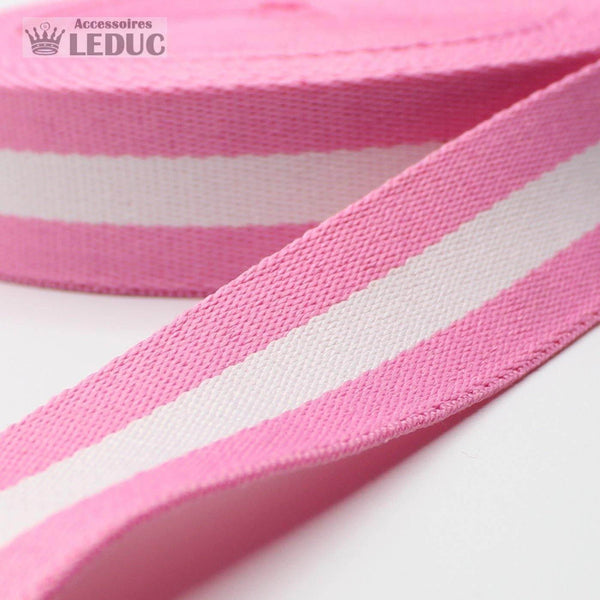
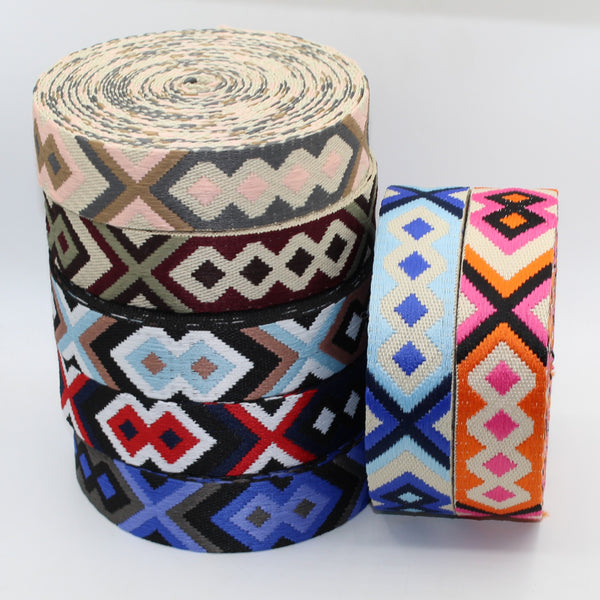
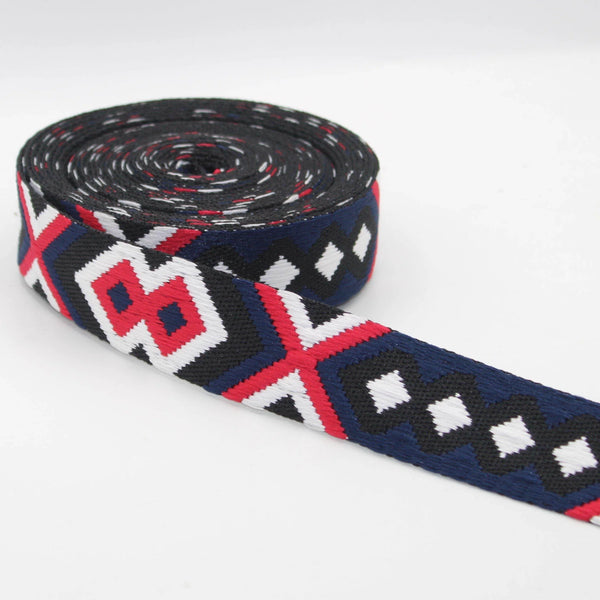
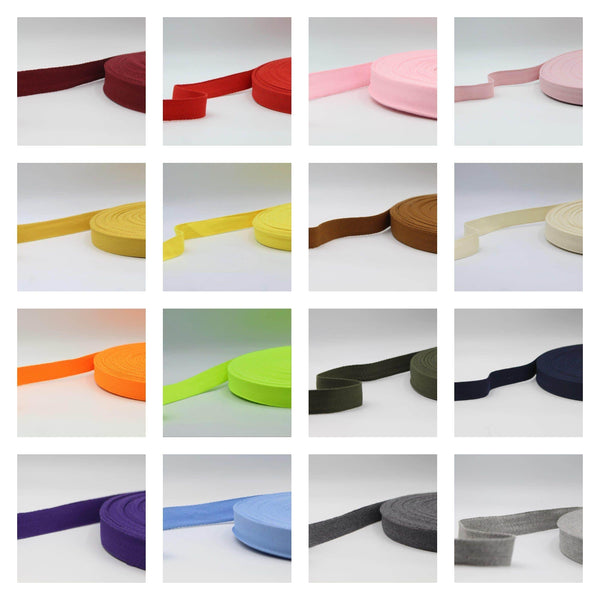
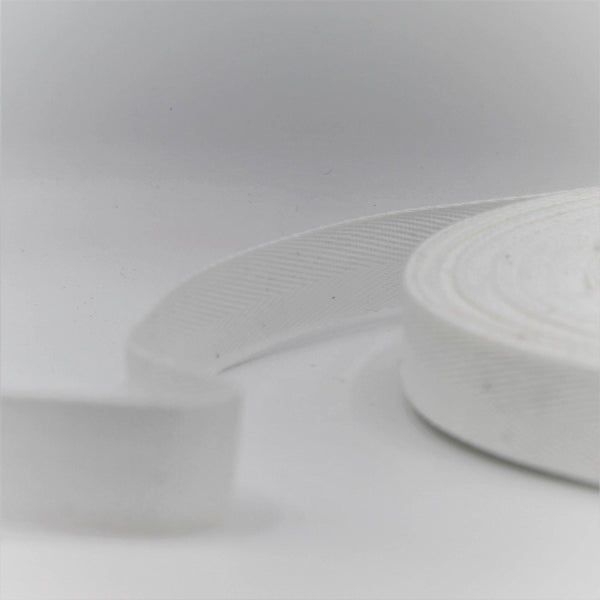
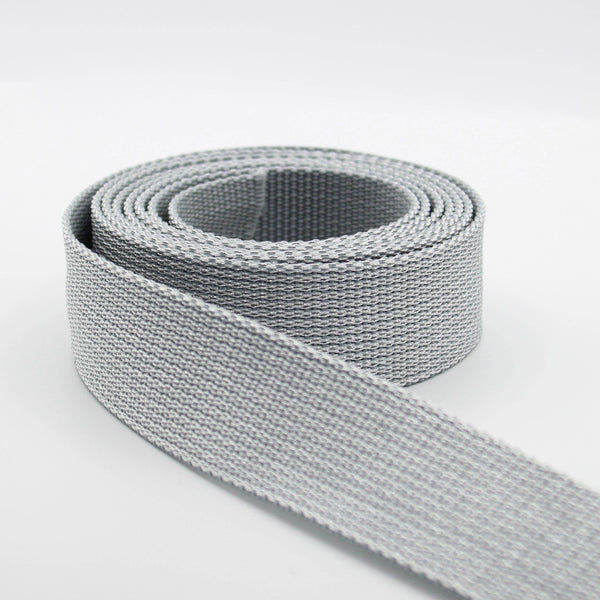
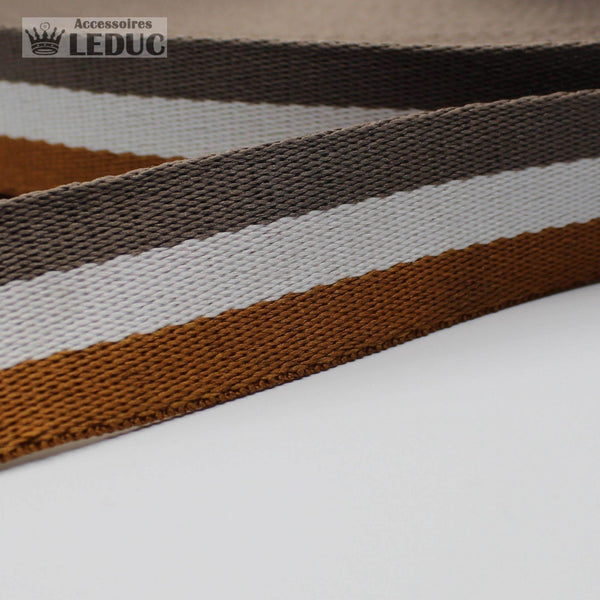
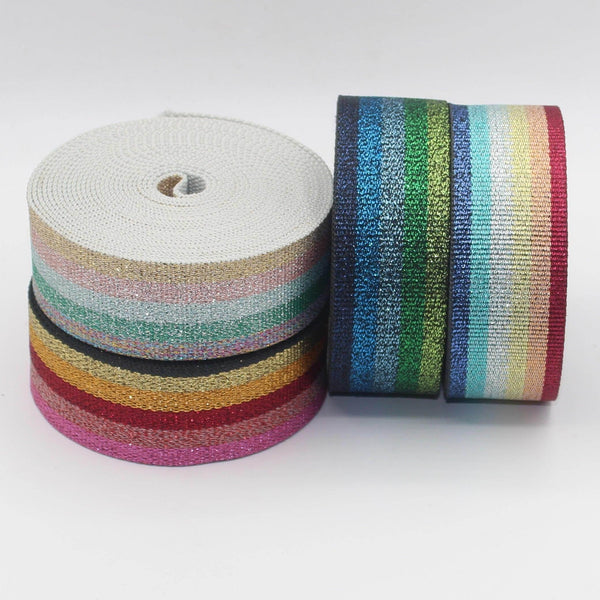
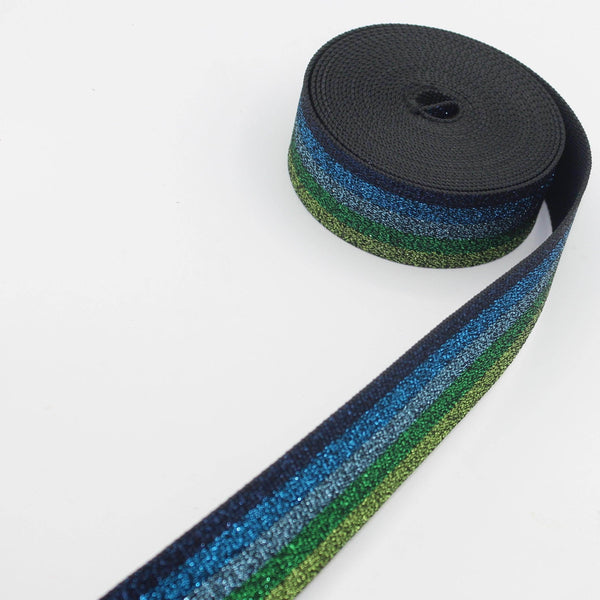
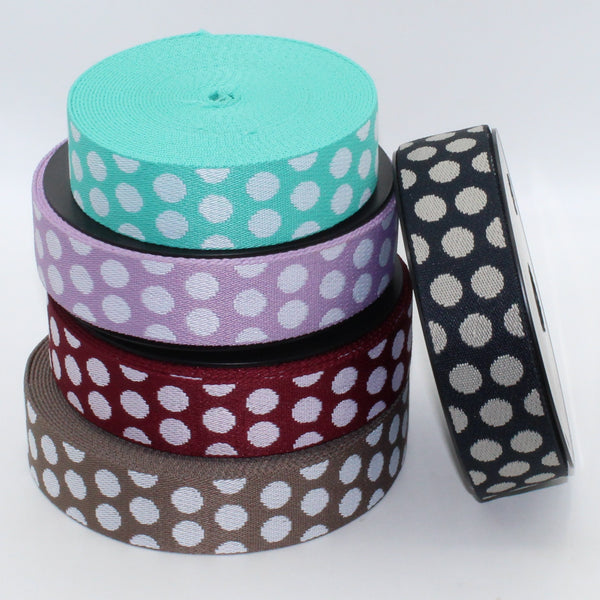
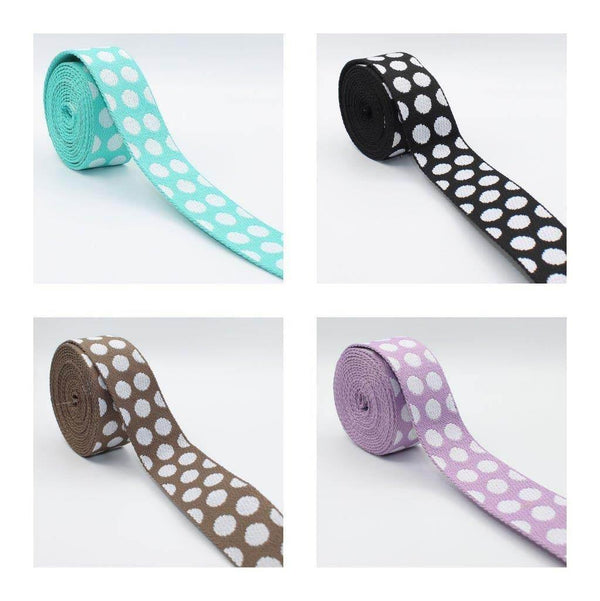
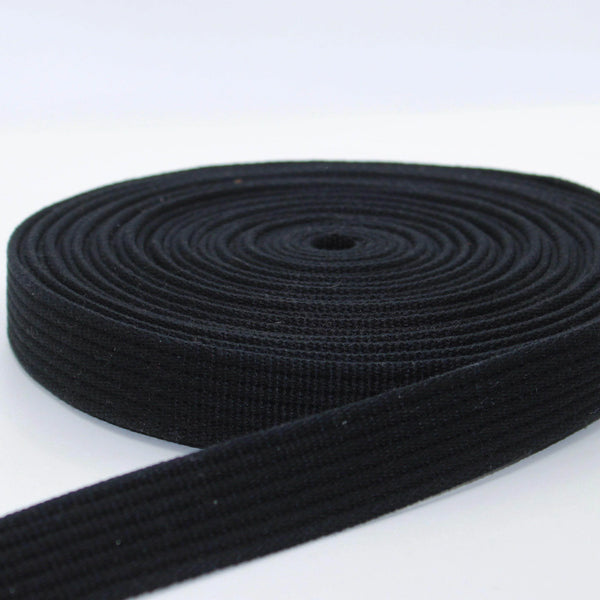
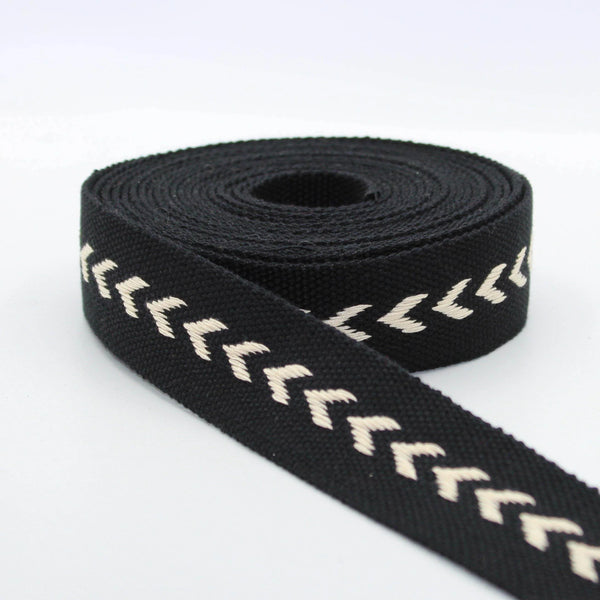
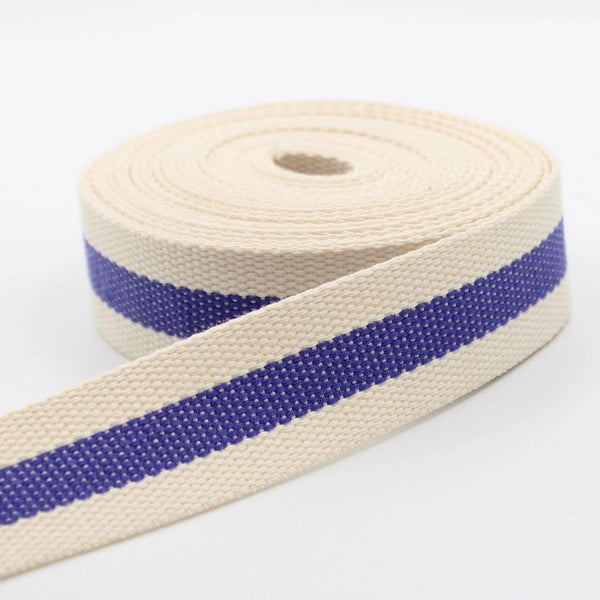
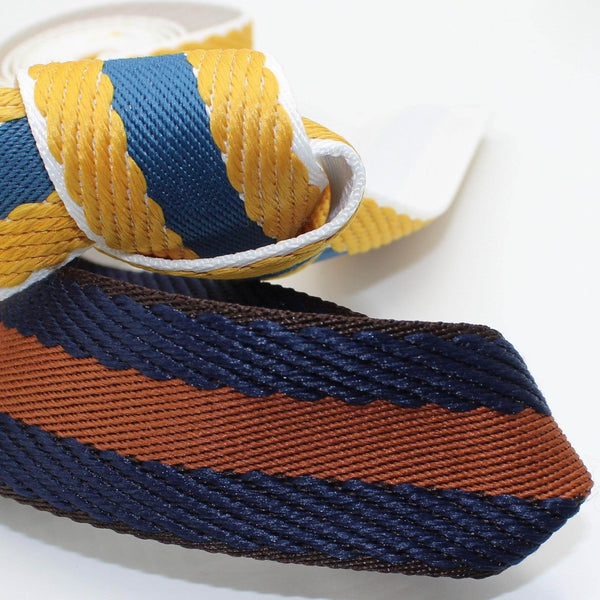
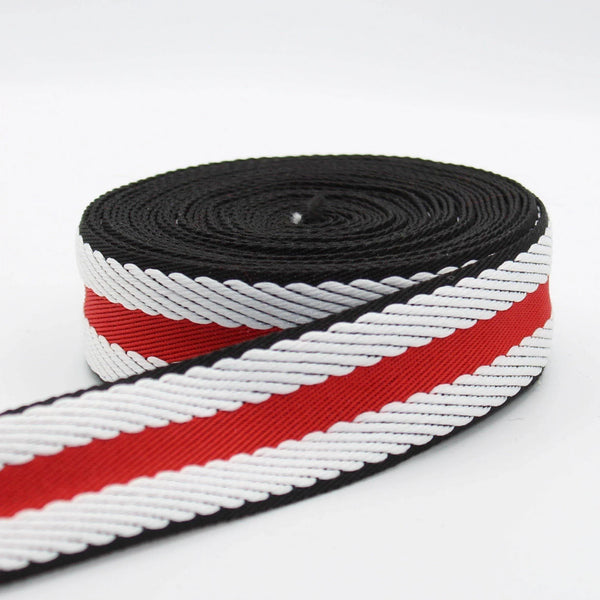
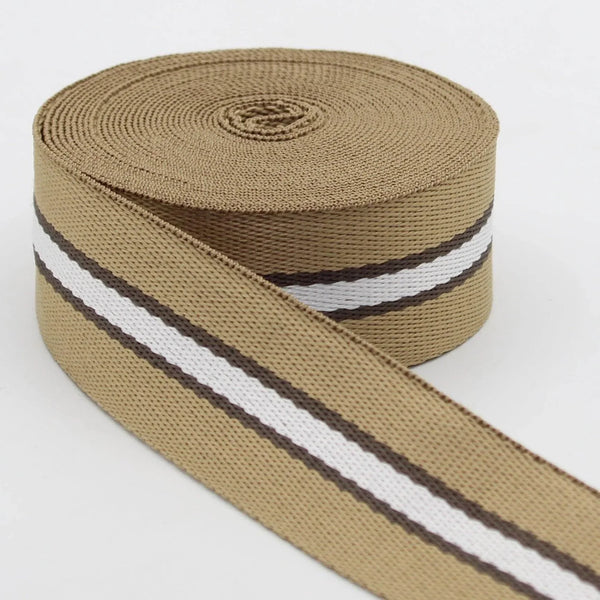
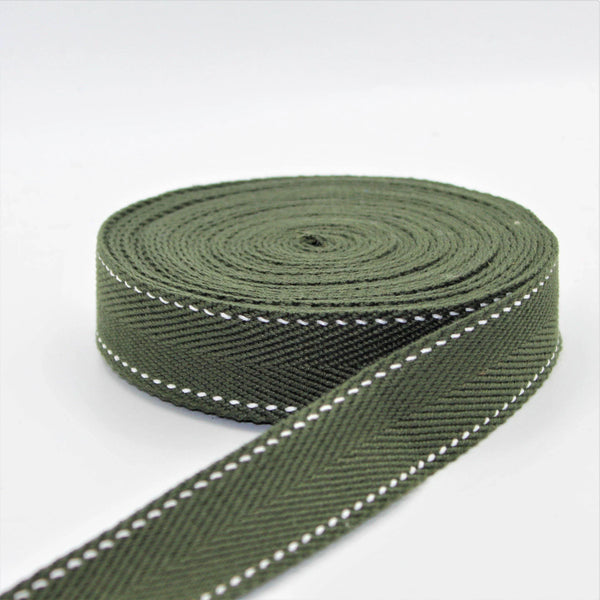
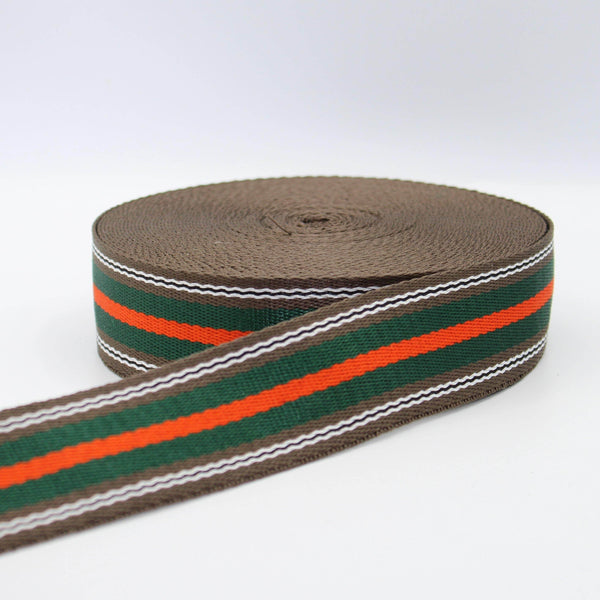
Material affects both look and durability. Cotton webbing has a soft hand-feel and a slightly matte, natural look that suits casual totes and everyday bags, but it's worth noting that cotton can show wear faster than synthetic options on bags that see daily use. Polyester webbing is more resistant to abrasion and moisture, making it a strong choice for backpacks and bags intended for travel or outdoor use. Jacquard woven straps introduce pattern and texture directly into the webbing itself — ideal for a signature look without needing to print or embroider separately. Lurex and metallic-striped webbing bring a festive, eye-catching detail that works well for evening bags, gift bags, or limited seasonal collections.
When estimating how much webbing you need, measure your planned strap length and add at least 10–15cm for seam allowances, folds and any hardware loops — webbing shrinks visually once folded around a buckle or D-ring more than most makers expect on a first attempt. For production runs, buying in bulk rolls rather than pre-cut lengths reduces both cost per metre and the number of joins needed.
Collector highlights
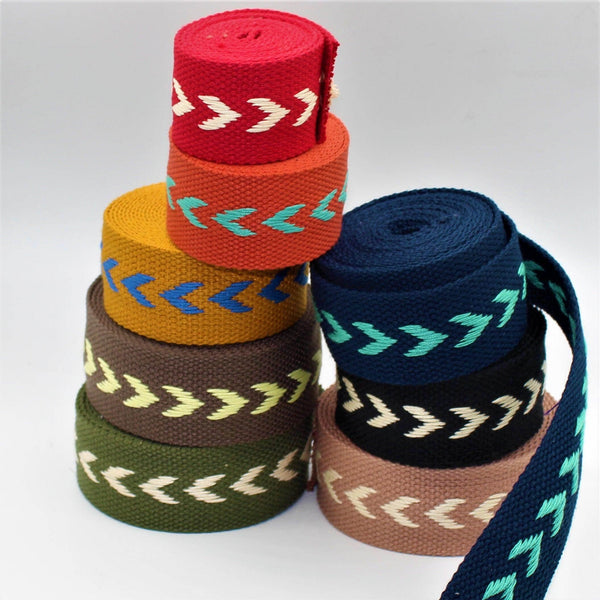
Our jacquard straps in seasonal colourways tend to sell out fastest, particularly patterns that coordinate with our bias binding ranges for makers creating matching bag-and-accessory sets. Lurex webbing sees a strong seasonal spike around the autumn and winter months, as makers gravitate toward metallic accents for gift bags and festive accessories — it's worth planning ahead if a particular colourway catches your eye.
You might also like
To finish raw edges on bag panels and pockets, our bias binding and piping collection offers coordinating colours and finishes. For a decorative edge detail on bag flaps and seams, browse our decorative piping collection. If your design includes a drawstring closure, our sewing cords and drawstrings are designed to pair with webbing handles. And for closures and decorative details, our wooden buttons and 4-hole buttons both work well as bag fastenings.
Frequently asked questions
What width of webbing should I use for tote bag handles?
For tote bag handles, 30–40mm cotton or polyester webbing offers a good balance of strength and comfort. Wider webbing (40–50mm) suits heavier-duty bags or shoulder bags carrying more weight.
Is jacquard webbing as durable as plain cotton webbing?
Jacquard webbing is woven with the same base fibres as plain webbing and offers comparable strength, with the added benefit of a decorative pattern — making it suitable for both structural and visible strap applications.
How much webbing do I need for a standard tote bag?
For two handles on a typical tote, plan for roughly 1.4–1.6 metres of webbing in total, allowing for the visible handle length plus extra for attachment seams on both sides of the bag.
Can webbing be sewn on a regular domestic sewing machine?
Yes, most cotton and polyester webbing can be sewn on a domestic machine using a denim or heavy-duty needle and a slightly longer stitch length. For very thick or multi-layered webbing joins, hand-cranking the first stitches can help prevent skipped stitches.
Will lurex webbing fray when cut?
Lurex and metallic webbing can fray slightly at cut edges due to the metallic threads. Sealing the cut edge with a lighter (for synthetic webbing) or a small zigzag stitch before use helps prevent fraying during construction.
195 products