Sewing Fabrics, Interfacing & Stabilizers | Calico, Fusible Interlining & Upholstery Materials
Professional Sewing Fabrics & Interfacing Trusted Since 1951
Successful sewing projects begin long before the first stitch is sewn. The right fabric, interfacing or stabilizer provides structure, support and durability that directly influence the quality of the finished result.
Since 1951, Accessoires Leduc has supplied sewing materials, garment construction supplies and textile reinforcements to tailors, fashion designers, embroidery specialists, upholsterers and creative makers across Belgium and Europe. Our collection includes calico fabrics, fusible interfacing, embroidery stabilizers, backing materials, upholstery textiles and reinforcement fabrics selected for professional performance and long-term reliability.
Whether you're developing garment patterns, constructing handbags, stabilizing embroidery or reinforcing structured garments, these materials help create cleaner, stronger and more professional results.
How to Choose the Right Fabric Support Material
Different sewing projects require different forms of structure and reinforcement.
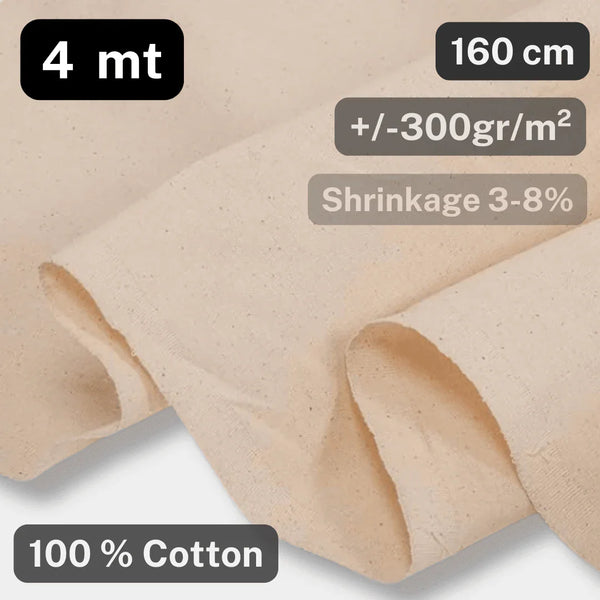
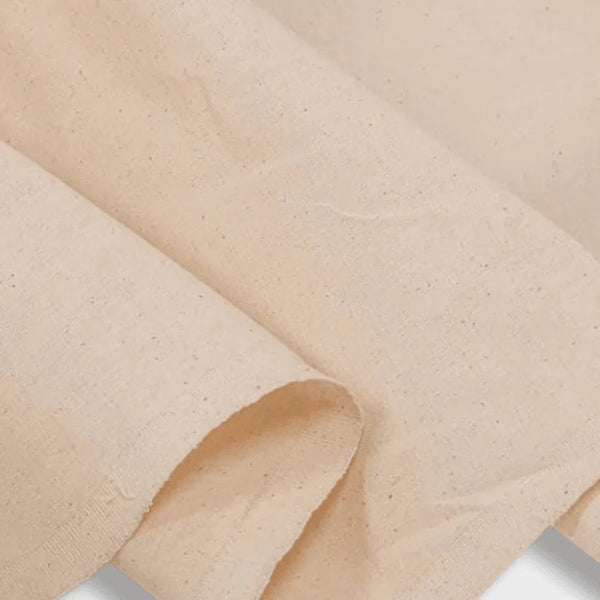
Choose Calico Fabric for Pattern Making & Toile Construction
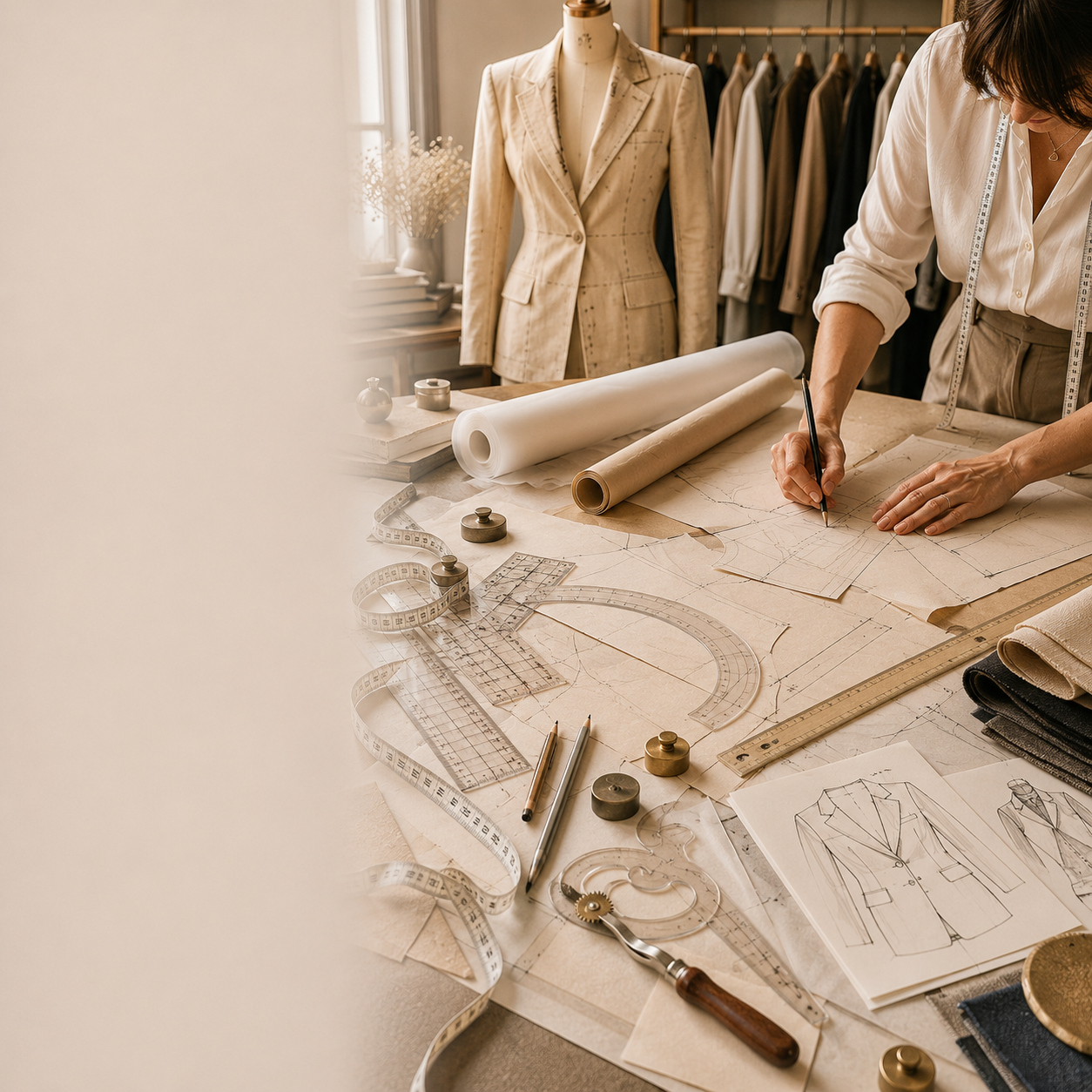
Calico fabric is widely used by fashion designers and sewing students to create test garments before cutting into final fabrics. It allows makers to perfect fit, proportions and construction techniques while reducing material waste.
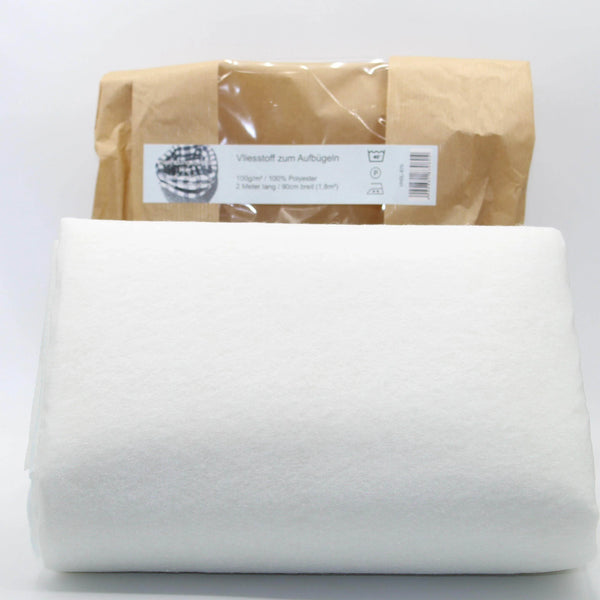
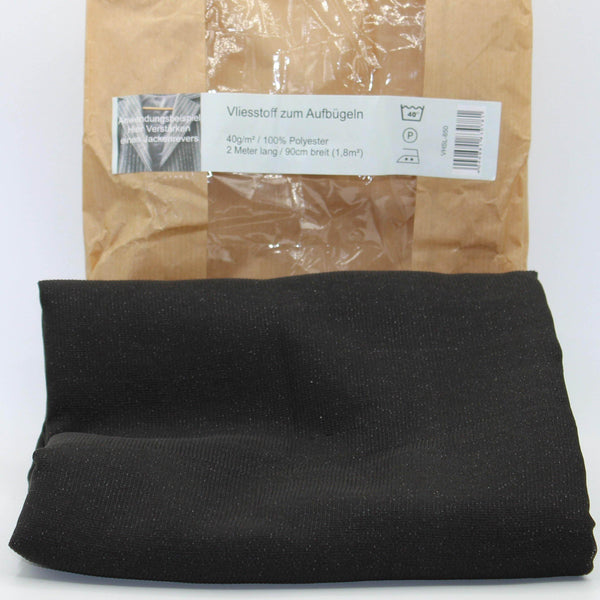
Choose Fusible Interfacing for Garment Structure
Fusible interfacing is bonded to fabric using heat and is commonly used in collars, cuffs, waistbands, plackets and structured garment areas that require added stability.
Choose Sew-In Interfacing for Delicate Fabrics
Sew-in interlining is often preferred for luxury tailoring, couture garments and delicate fabrics where adhesive materials may affect drape or texture.
Choose Embroidery Stabilizers for Clean Stitching
Embroidery stabilizers help prevent distortion during stitching and improve the quality of machine embroidery, appliqué and decorative sewing projects.
Choose Reinforcement Fabrics for Bags & Accessories
Bag making projects often require additional support materials to maintain shape and durability. Reinforcement fabrics help handbags, pouches and accessories retain their structure over time.
Choose Upholstery Materials for Home Décor Projects
Furniture and furnishing projects require durable support fabrics capable of withstanding regular use while maintaining shape and appearance.
Interfacing vs Interlining vs Stabilizer: What's the Difference?
These terms are often confused but serve different purposes.
- Interfacing adds structure to specific garment sections such as collars, cuffs and waistbands.
- Interlining is positioned between layers to provide warmth, body or additional support.
- Stabilizers are primarily used for embroidery and decorative stitching to prevent fabric movement during construction.
Choosing the correct support material improves both appearance and durability.
Most Popular Applications
Our customers regularly use these materials for:
- Dressmaking and tailoring
- Fashion design development
- Pattern drafting and toiles
- Embroidery projects
- Handbag construction
- Leathercraft support structures
- Upholstery projects
- Home décor sewing
- Costume design
- Sewing education and workshops
Many professional makers consider support materials just as important as fabric selection itself.
Why Structure Materials Matter
The difference between an amateur project and a professional result is often hidden inside the garment.
Collars that stay crisp, bags that hold their shape, embroidery that remains smooth and garments that maintain structure all rely on appropriate support materials.
By selecting the correct interfacing, stabilizer or reinforcement fabric, makers can dramatically improve both the appearance and lifespan of their creations.
Why Professionals Trust Accessoires Leduc
For more than seventy years, Accessoires Leduc has supplied sewing materials and garment construction products trusted by professionals across Europe.
Our experience comes from supporting fashion designers, tailoring studios, embroidery specialists and upholstery makers who depend on reliable materials every day. Every product in our collection is selected for performance, consistency and ease of use.
Whether you're producing a couture garment, developing a handbag collection or teaching sewing techniques, we help makers choose the right materials with confidence.
Complete Your Sewing & Fashion Design Toolkit
Support materials work best alongside other professional sewing supplies.
Explore our Pattern Paper & Drafting Tools, Sewing Threads, Sewing Needles, Fabric Markers, Cutting Tools and Bag Making Supplies to complete your workflow from concept to finished product.
Many customers also combine interfacing and stabilizers with Embroidery Supplies, Tailoring Accessories and Upholstery Components for specialised projects.
Together, these collections support fashion design, garment construction, embroidery, upholstery and creative textile work.
Frequently Asked Questions
What is fusible interfacing used for?
Fusible interfacing is used to add structure and stability to collars, cuffs, waistbands and other garment components.
What fabric is best for making a toile?
Calico fabric is one of the most widely used materials for pattern testing and garment prototyping.
Do I need stabilizer for embroidery?
Yes. Stabilizers help prevent puckering, distortion and uneven stitching during embroidery.
What is the difference between interfacing and interlining?
Interfacing provides structure to specific areas, while interlining adds body, insulation or support between fabric layers.
What materials are used for bag reinforcement?
Bag makers commonly use specialised interfacing, stabilizers and reinforcement fabrics to maintain shape and durability.
Can beginners use these materials?
Absolutely. Support materials are used by both beginners and professionals to improve sewing results and garment quality.
8 products