Sewing Measuring Tools, Quilting Rulers & French Curves for Pattern Making
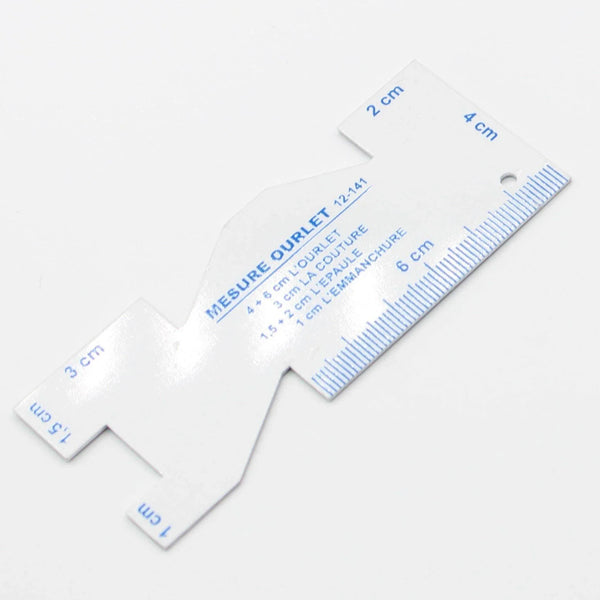
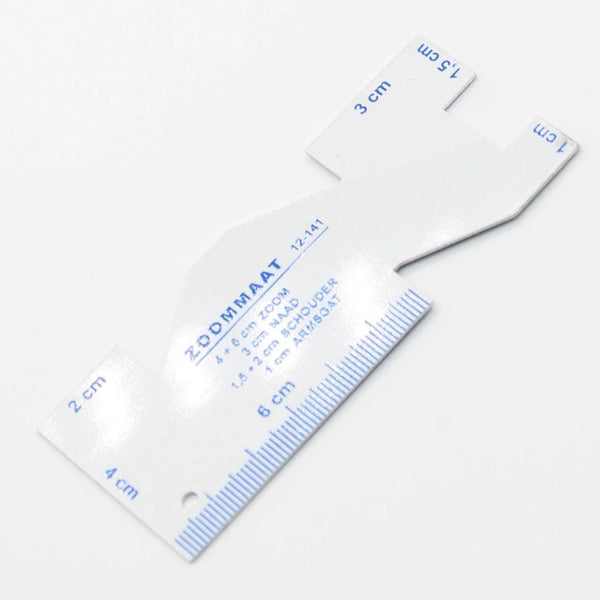
Every well-fitted garment and every perfectly aligned quilt block starts with the same thing: accurate measuring. This collection brings together the measuring tapes, rulers, French curves and pattern-drafting tools that dressmakers, tailoring studios and fashion schools across Europe have relied on for generations — many of the same tools that have passed across the counter at Accessoires Leduc since 1951. Whether you're drafting a pattern from scratch, altering a garment to fit, or squaring up quilt blocks for a patchwork project, the right measuring tool turns guesswork into precision.
Buying guide: building a measuring toolkit
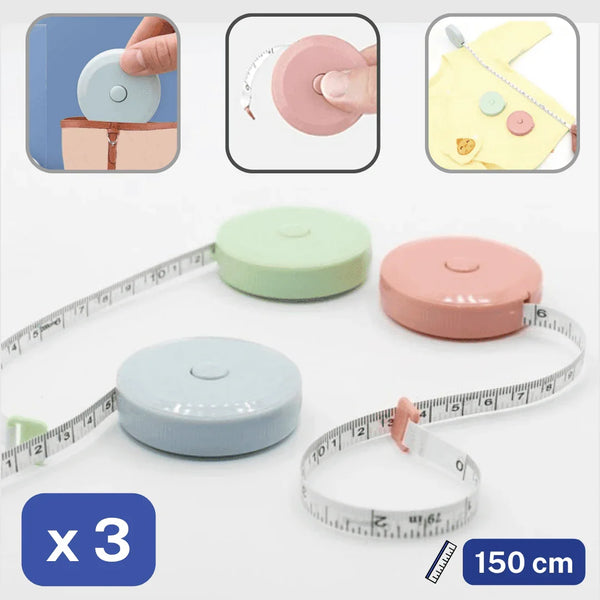
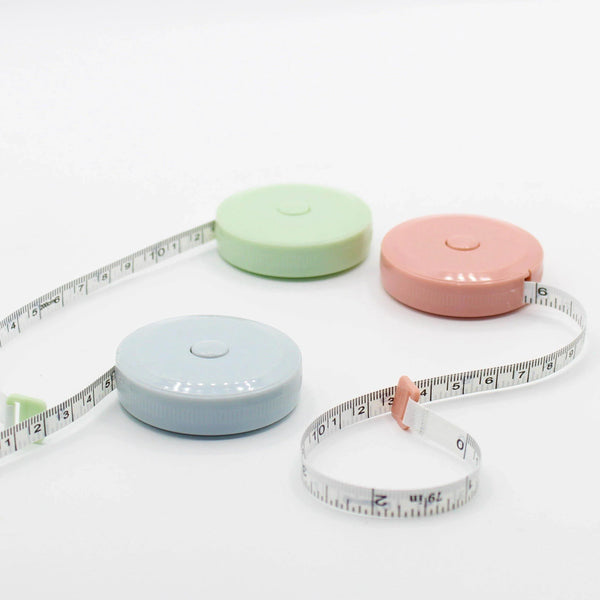
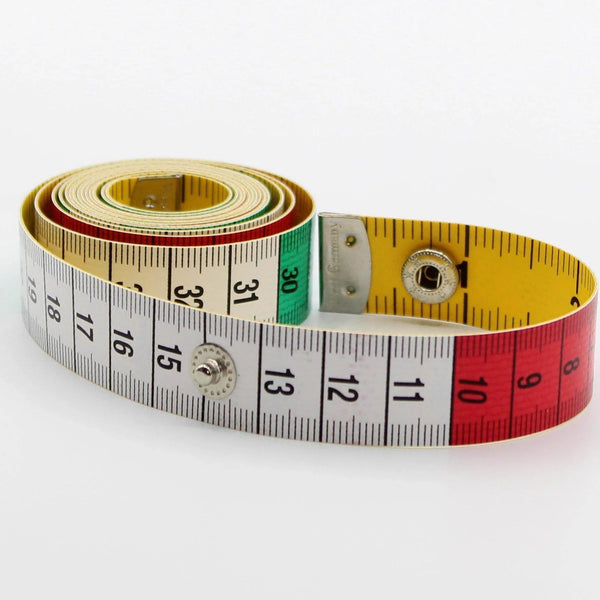
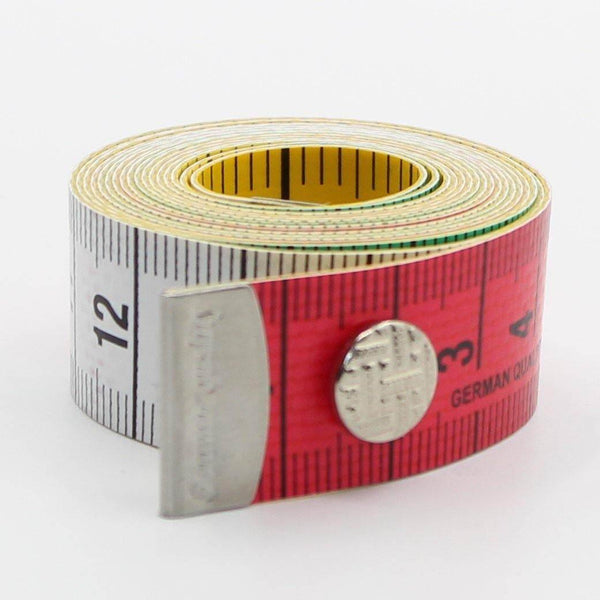
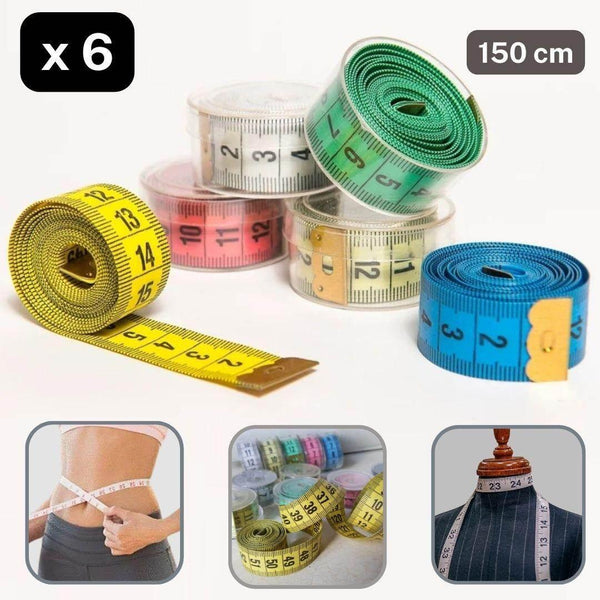
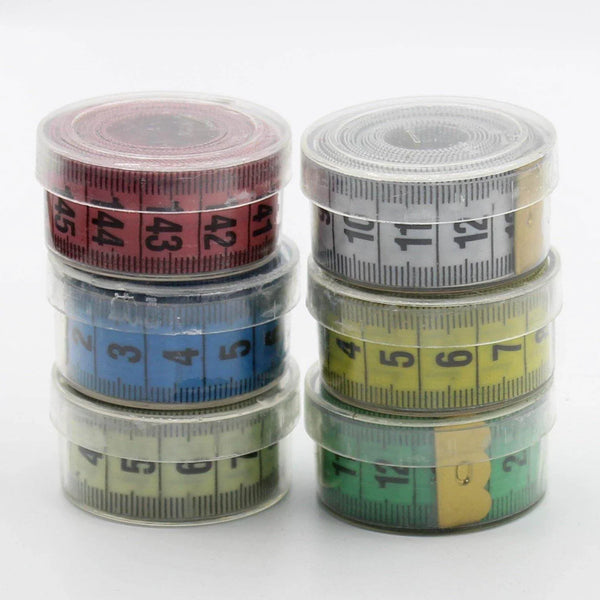
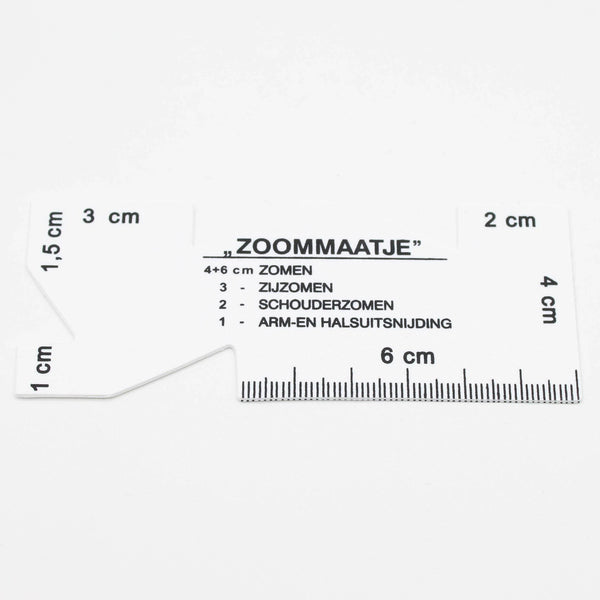
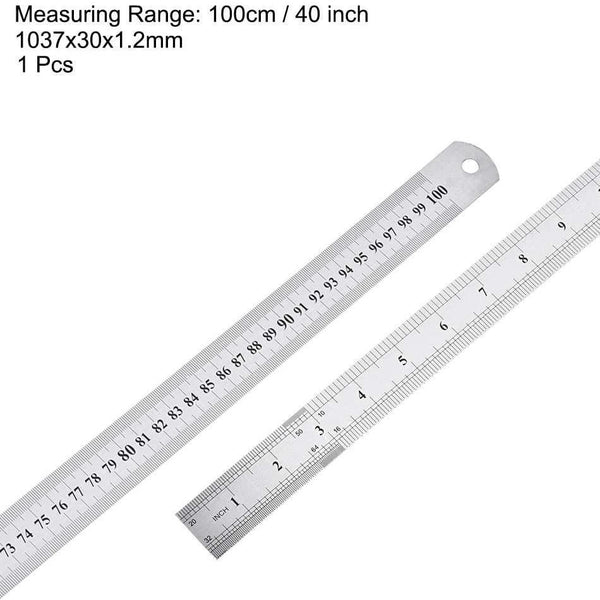
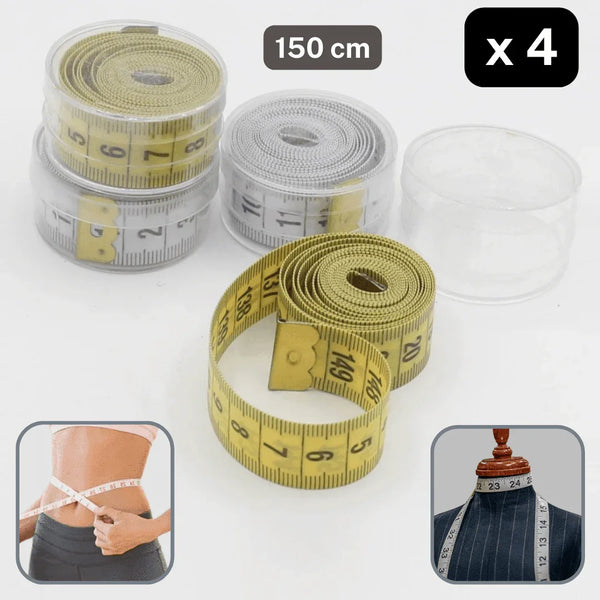
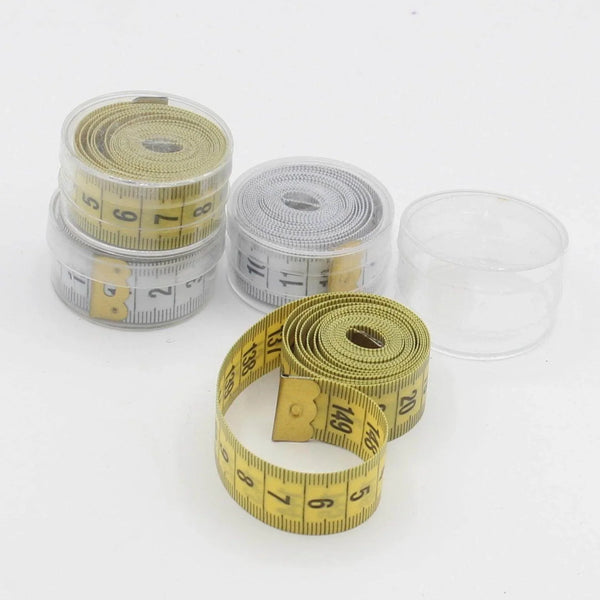
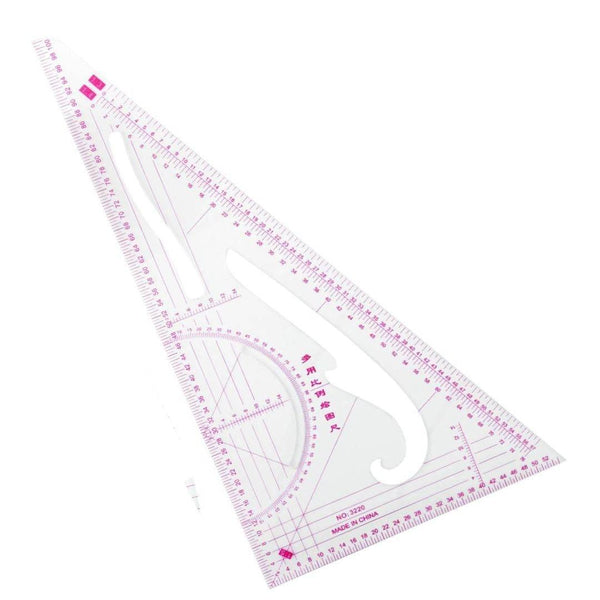
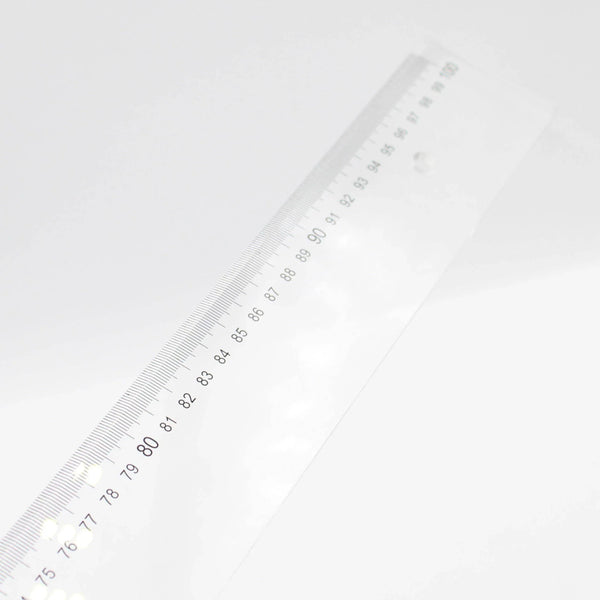
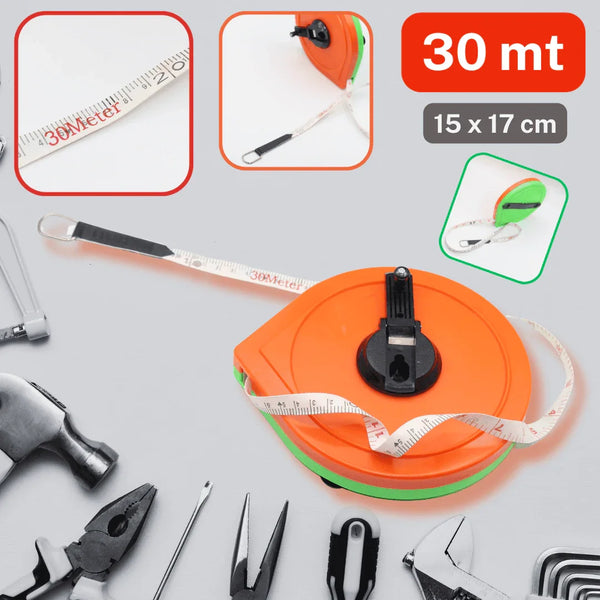
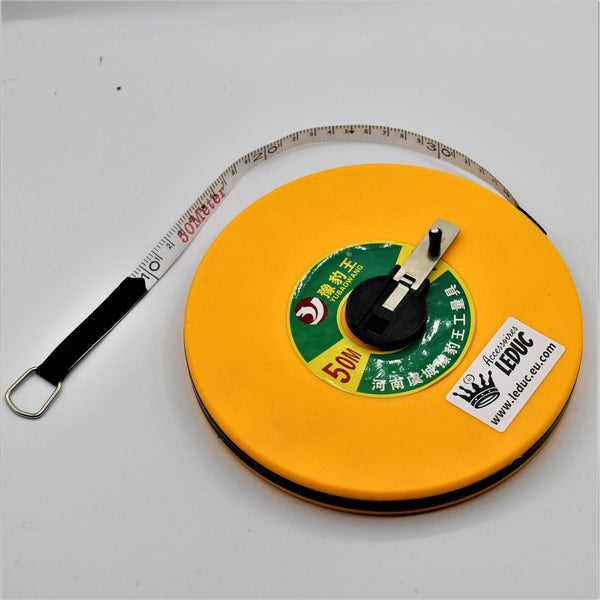
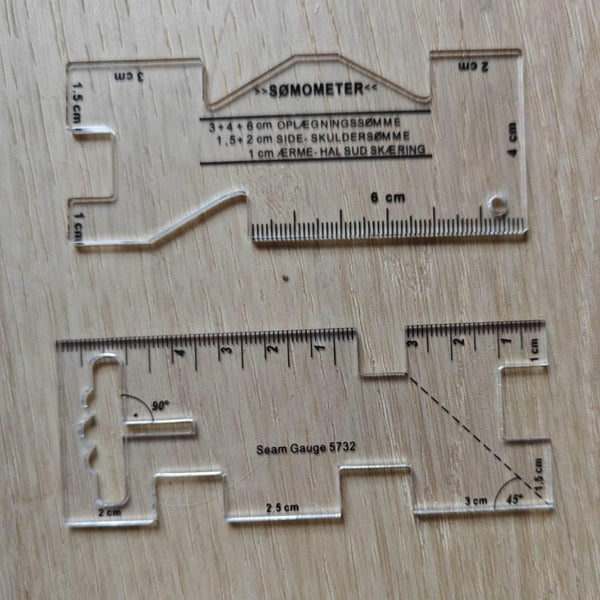
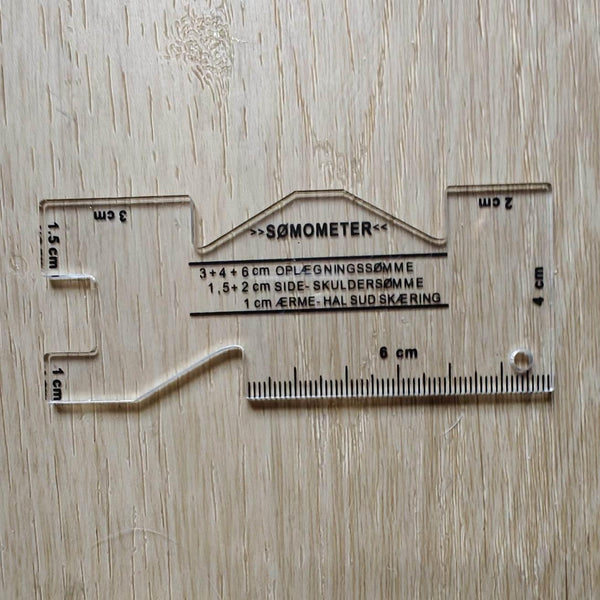
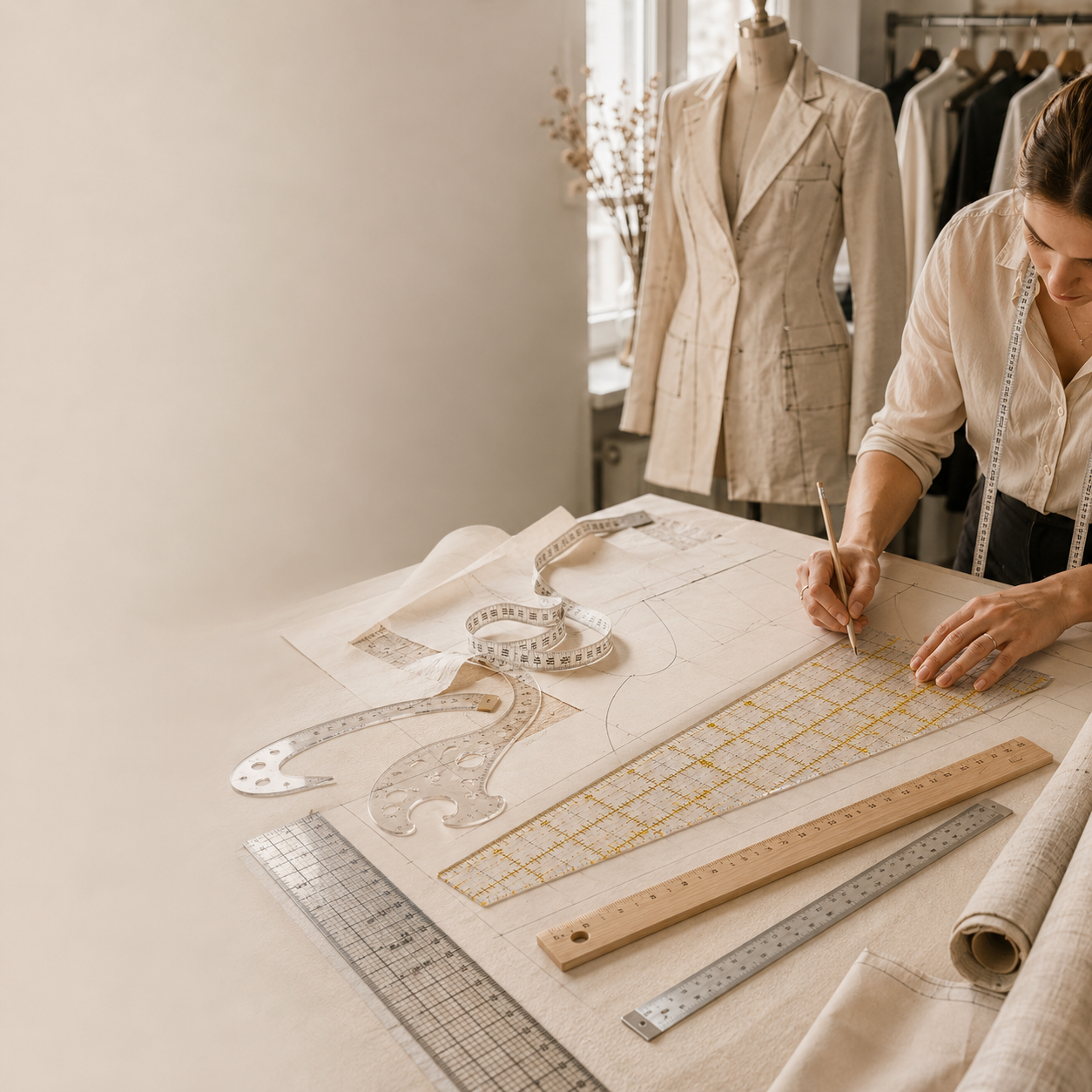
A flexible measuring tape is the foundation of any sewing kit — look for one that's fibreglass rather than plain vinyl, as fibreglass resists stretching over time, which keeps your measurements consistent even after years of use. For pattern drafting, a transparent ruler is invaluable: being able to see the fabric or pattern paper through the ruler makes it far easier to align grainlines and seam allowances accurately.
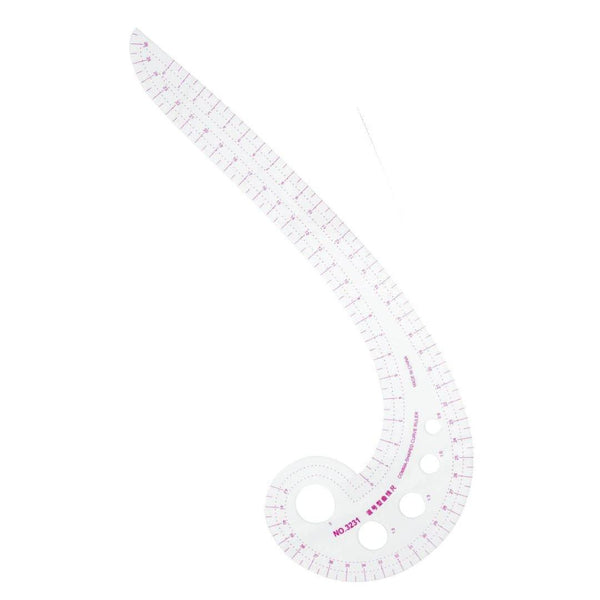
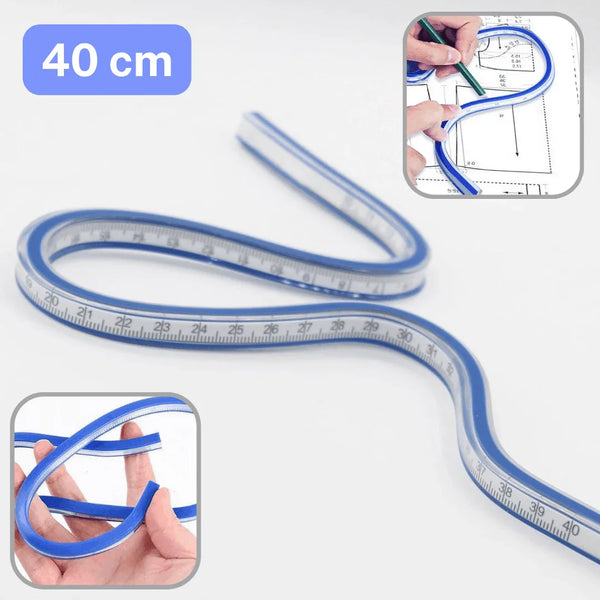
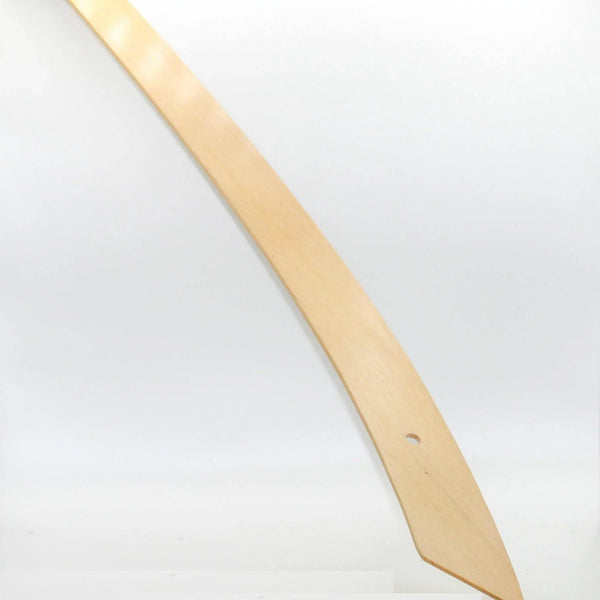
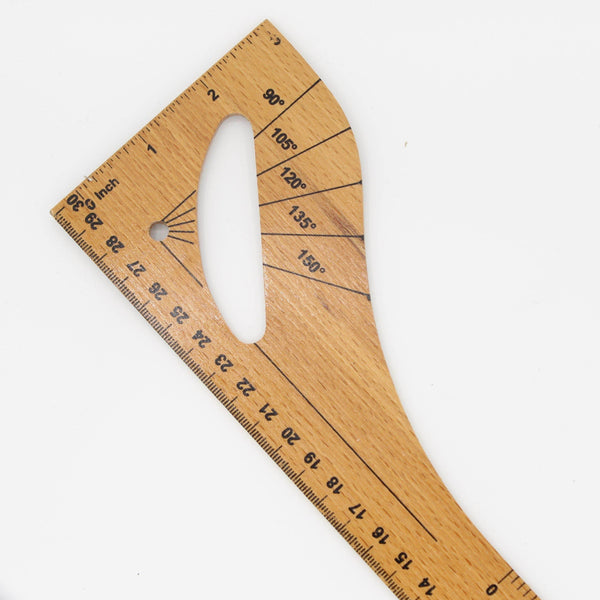
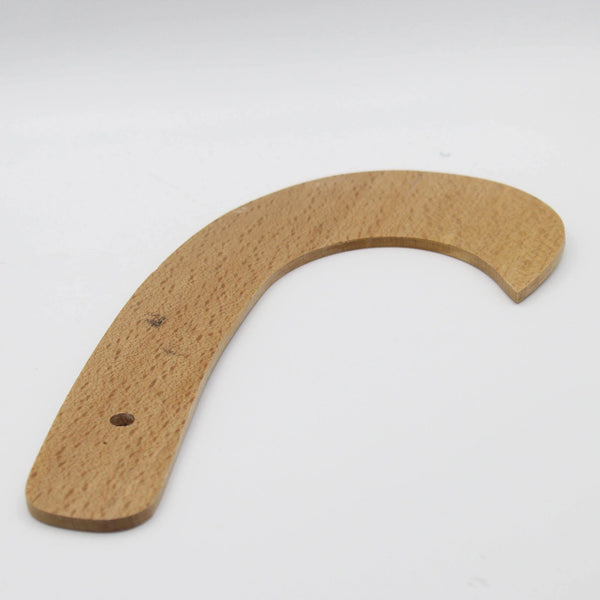
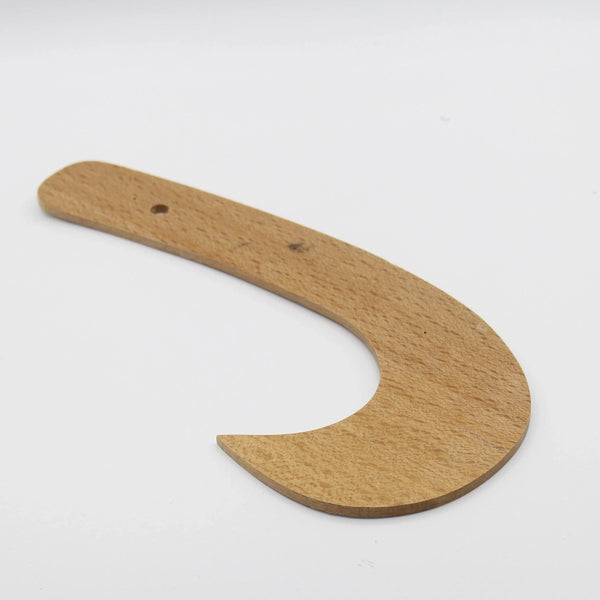
French curves come in different shapes for different purposes. A hip curve is longer and gently curved, suited to drafting the curve of a hip or thigh on trouser and skirt patterns. A smaller, tighter French curve is better for necklines, armholes and collar edges, where the curve changes more sharply over a shorter distance. If you only buy one curved ruler, choose a versatile hip curve first — it covers the largest range of pattern-drafting tasks.
For quilting, acrylic rulers with clear printed gridlines are the standard choice, as the grid lets you cut accurately without a separate measuring step. A 6 x 24 inch ruler is the most versatile single size, long enough for cutting fabric strips across a standard width while still being manageable for smaller cuts. Pair it with a rotary cutter and self-healing mat for clean, repeatable cuts across an entire quilt top.
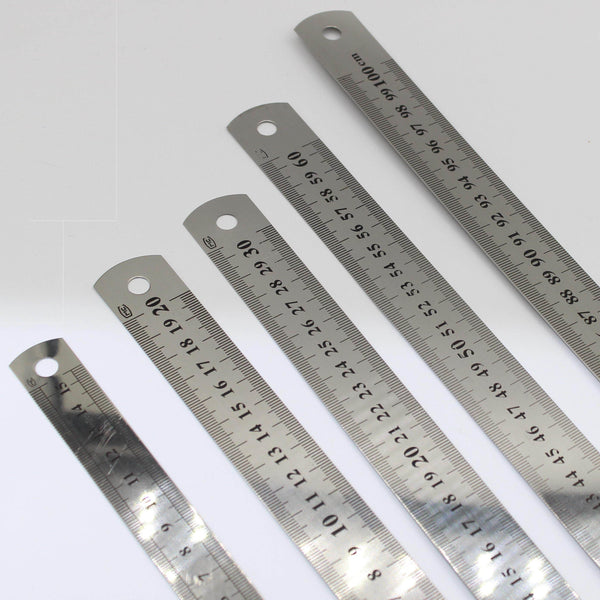
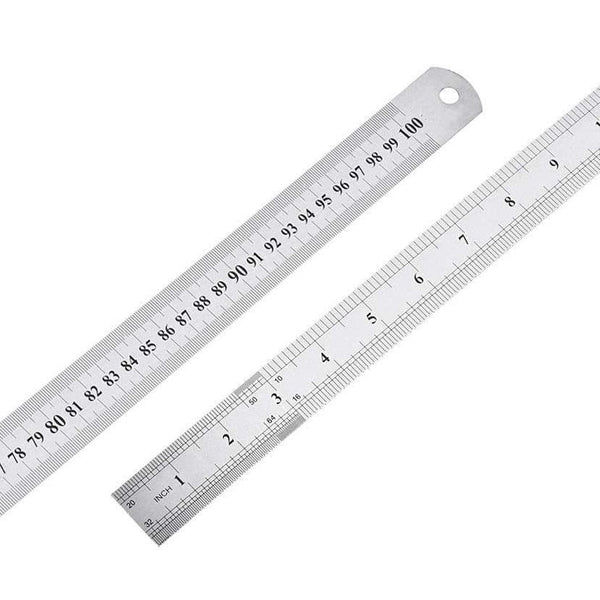
If you're assembling a toolkit for a sewing school or workshop, prioritise durability: metal-edged rulers and fibreglass tapes hold up far better to repeated daily use than lightweight plastic alternatives, even if the upfront cost is slightly higher.
Collector highlights
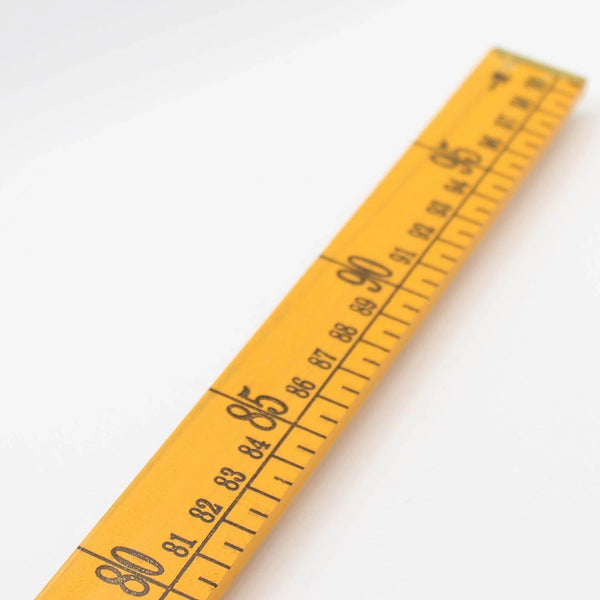
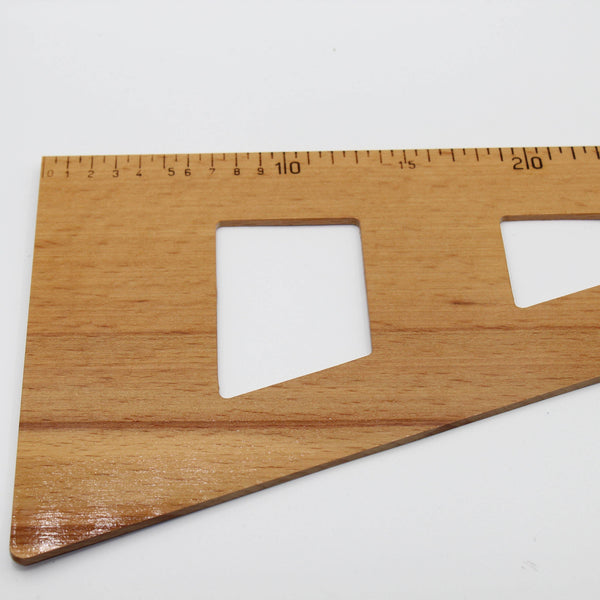
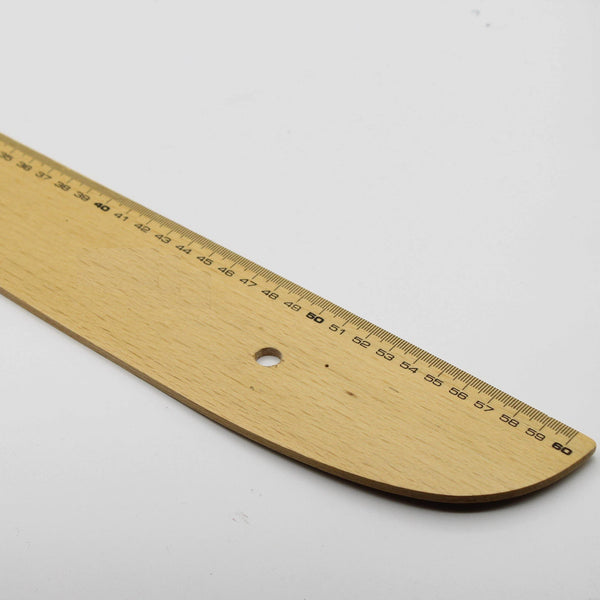
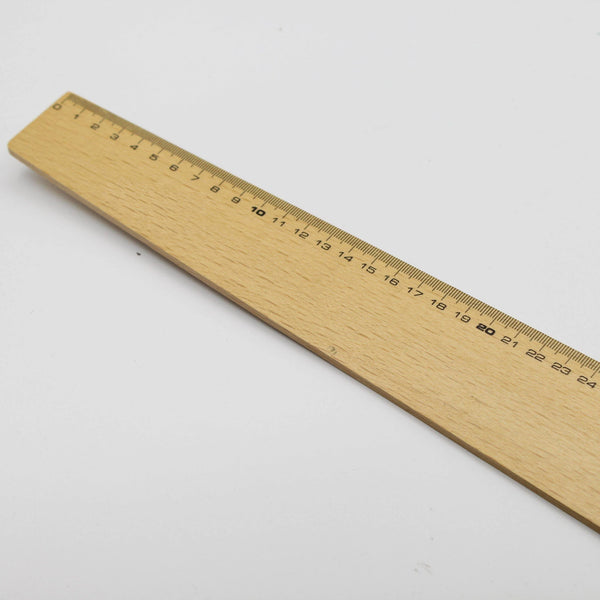
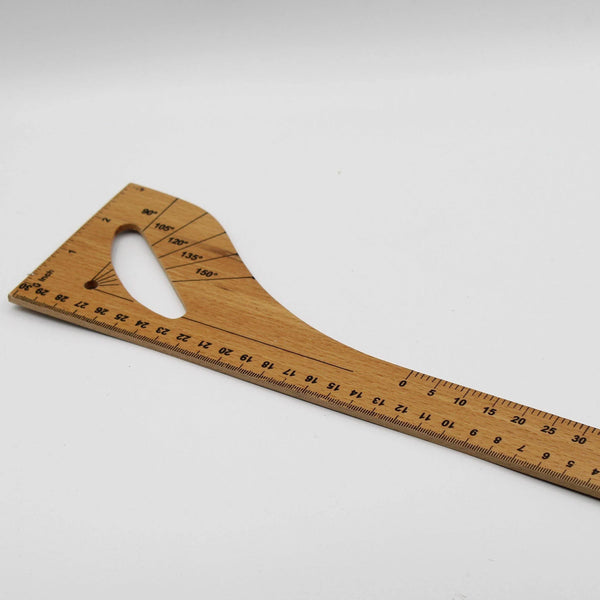
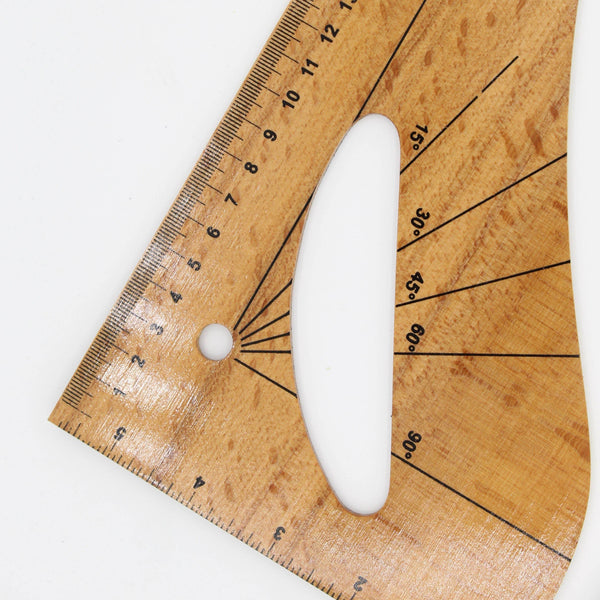
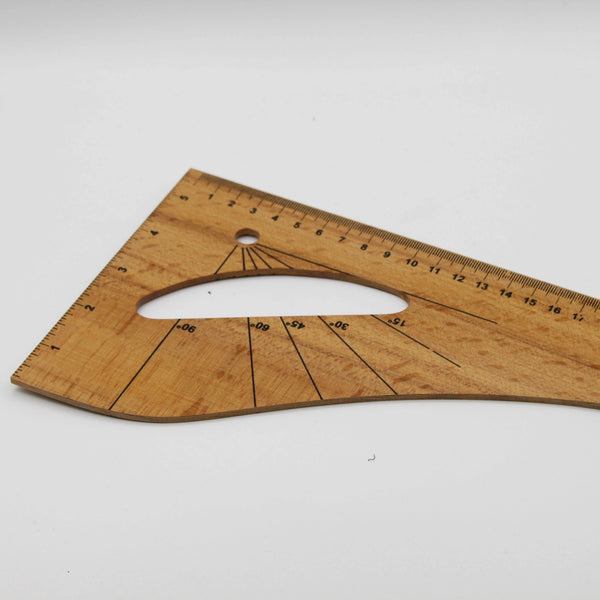
Wooden tailor's rulers, often marked in both metric and imperial units, remain popular with makers who appreciate the tactile feel and the visual reference to traditional tailoring — many of our customers from fashion schools specifically request them for archive or display purposes alongside their working tools. The 6 x 24 inch acrylic quilting ruler is consistently our most-reordered single item in this collection, a sign of just how central it is to a quilter's everyday kit.
You might also like
Once your pattern is drafted and your fabric is cut, our bias binding and piping collection covers clean seam and edge finishing for the garment you're about to construct. If you're equipping a workshop or starter kit, our budget sewing supplies under €3 cover the small notions — needles, chalk, pins — that complement your measuring tools. And for bag and accessory patterns, our bag making webbing and straps collection is a natural next step.
Frequently asked questions
What is a French curve used for?
A French curve is a drafting tool used to draw smooth, curved lines for necklines, armholes, hips and other curved pattern edges that are difficult to draw accurately by hand with a straight ruler.
What size acrylic ruler is best for quilting?
A 6 x 24 inch (15 x 60cm) acrylic ruler is the most versatile size for quilting, suitable for cutting strips, squaring up blocks, and trimming larger pieces of fabric.
How do I measure myself accurately for a pattern?
Use a fibreglass tape measure and keep it snug but not tight against the body, measuring over the undergarments you plan to wear with the finished garment. Take bust, waist and hip measurements at their fullest points, and always compare your measurements to the pattern's size chart rather than your usual ready-to-wear size.
Should I choose metric or imperial measuring tools?
This depends on the patterns and conventions you work with most — European patterns are typically metric, while many vintage and US patterns use imperial. Many tapes and rulers include both scales, which is the most flexible option if you work across different pattern sources.
How do I care for acrylic quilting rulers?
Keep acrylic rulers flat when storing them, away from heat sources, as they can warp if left somewhere hot (such as near a window in direct sun). Clean with a soft cloth and mild soap rather than abrasive cleaners, which can scratch the printed gridlines.
What's the minimum toolkit for a beginner starting pattern drafting?
A fibreglass tape measure, a transparent ruler, and a versatile hip curve cover the majority of basic pattern-drafting tasks. As your projects become more advanced, a smaller French curve and a set of pattern-drafting squares are natural next additions.
52 products