Decorative Piping for Sewing, Upholstery & Bag Making
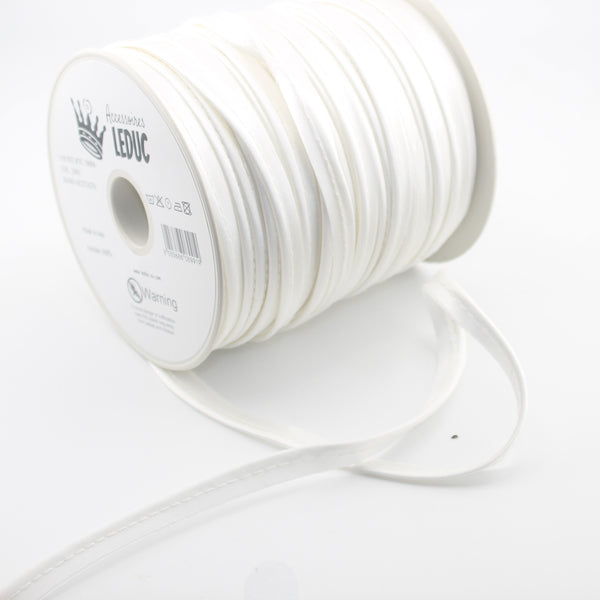
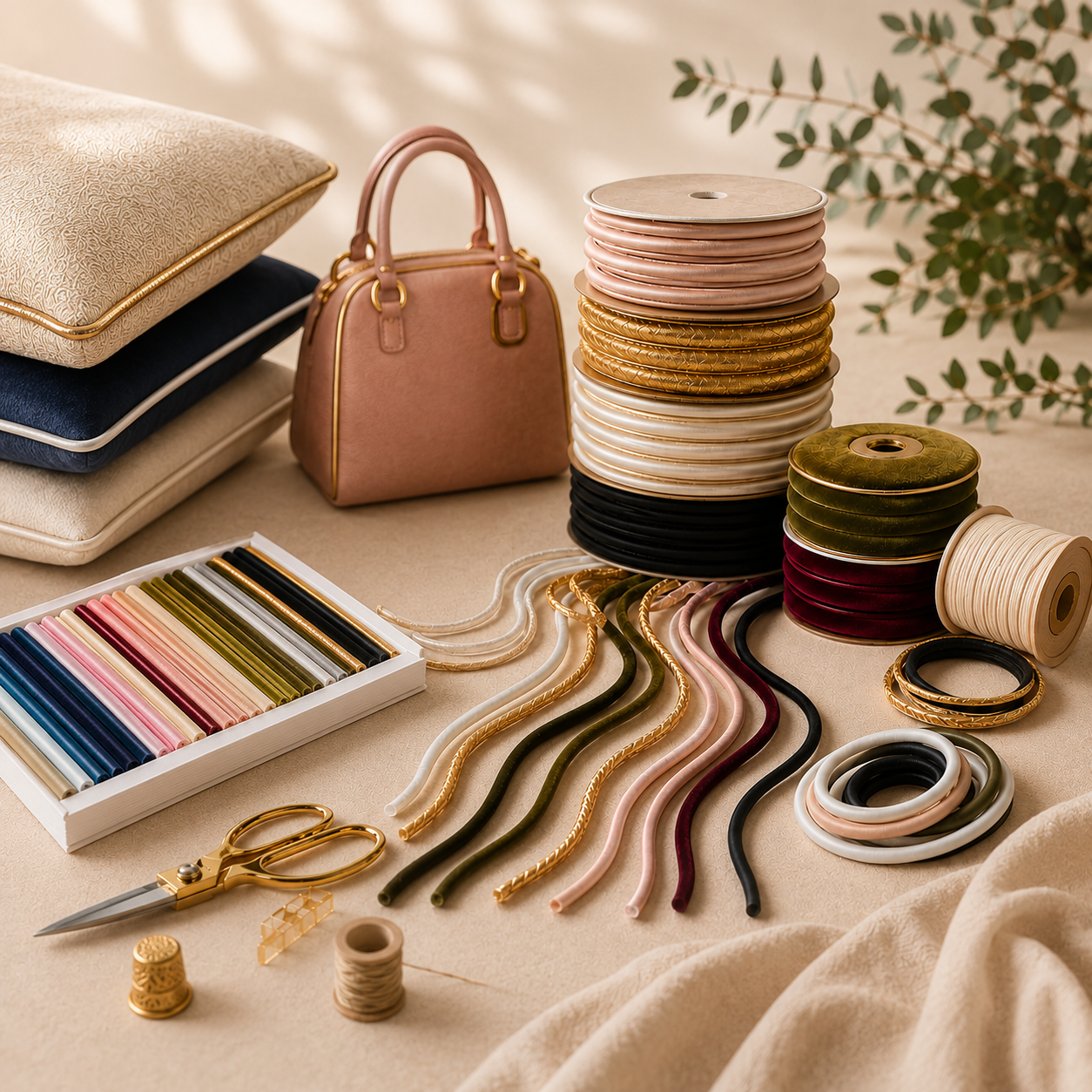
Piping is one of those details that quietly signals quality — a thin, defined line of contrast along a seam that turns a flat edge into something with structure and intention. This collection brings together cotton, satin, lurex, faux leather, suede and reflective piping trims for garment sewing, upholstery, cushions, handbags and couture-inspired projects. Whether you're an upholsterer giving cushions a tailored edge, a bag maker adding a contrast detail to a panel seam, or a home sewist finishing a jacket with couture-level precision, piping is the kind of small addition that makes a finished piece feel deliberately designed rather than simply assembled.
Buying guide: choosing piping for your project
Material is the first decision, and it largely follows the project. Cotton-covered piping cord is the most versatile choice for garments and cushions — it's flexible, easy to sew, and available in colours that can match or contrast with your main fabric. Satin piping adds a subtle sheen suited to eveningwear, lingerie, and special-occasion cushions where a slightly more formal finish is wanted.
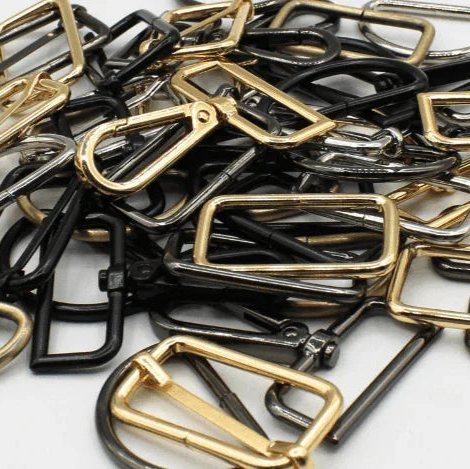
For bag making and accessories, faux leather and suede piping bring a structured, tactile edge that coordinates naturally with webbing and hardware — a faux leather piping detail along a tote bag's side seam, for example, adds a refined contrast without the cost or complexity of working with real leather. Metallic and lurex piping introduces shimmer and is particularly effective on smaller accents, like the edge of a clutch bag or a decorative cushion border, where a little goes a long way.
Cord diameter affects how prominent the piping looks once sewn in. A finer 3–4mm cord creates a subtle, refined line suited to garments and delicate home décor, while a thicker 5–7mm cord makes a bolder statement on cushions and upholstery, standing out more clearly against the surrounding fabric. To insert piping into a seam, sandwich it between your two fabric layers along the seam line and stitch close to the cord using a zipper foot or piping foot — this keeps the stitching tight against the cord for a crisp, defined edge.
If you're coordinating piping with bias binding for a cohesive finish — for example, piped seams on a jacket with matching bias-bound hems — choosing both from the same colour family at the same time avoids dye-lot variations between separate orders.
For functional rather than purely decorative use, reflective and elastic piping trims are designed for safety garments, activewear and sportswear, where the piping needs to perform as well as look good.
Collector highlights
Faux leather piping has become one of our fastest-growing lines, driven largely by independent bag makers looking for a leather-look detail without working with genuine hide. Reflective piping, while a smaller niche, is a genuinely interesting category — it's the same principle used on high-visibility workwear, repurposed by sewists into subtle safety details on jackets, bags and children's wear where a flash of reflectivity at night adds real function alongside design.
You might also like
For coordinating bias-bound edges alongside your piping, our bias binding and piping collection offers matching colourways and finishes. If you're working on a bag project, our bag making webbing and straps pair naturally with faux leather and lurex piping accents. And for precise seam placement when inserting piping, our sewing measuring tools and rulers help keep piping lines straight and evenly spaced.
Frequently asked questions
How is piping inserted into a seam?
Piping is sandwiched between two layers of fabric along the seam line and stitched in place using a zipper foot or piping foot, which holds the cord close to the stitch line for a clean, defined edge.
What piping is best for upholstery cushions?
Cotton-covered piping cord in a thicker diameter (5–7mm) is ideal for upholstery cushions, providing durability and a defined edge that holds up well to everyday use.
Can piping be used on knitwear?
Piping can be used on knitwear, but because knit fabrics stretch and piping cord typically doesn't, it works best on stable areas like collar or pocket edges rather than seams that need to stretch with the body.
How do I match piping colour to my fabric?
For a subtle, tailored look, choose piping in a tone close to your main fabric so it reads as texture rather than contrast. For a decorative accent, choose a contrasting colour from the same colour family as your bias binding or trims for a coordinated overall look.
Will reflective piping wash well?
Reflective piping is generally machine washable, but washing at lower temperatures and avoiding tumble drying on high heat helps preserve the reflective coating's effectiveness over time.
Can I sew piping with a standard sewing machine foot?
A standard foot can work for very fine piping, but a zipper foot or dedicated piping foot makes it much easier to stitch close to the cord consistently, especially with thicker cords or faux leather piping.
24 products