Professional Interfacing & Interlining Fabrics | Fusible, Sew-In & Vlieseline Support Materials
Professional Interfacing & Interlining Fabrics Trusted by Makers Since 1951
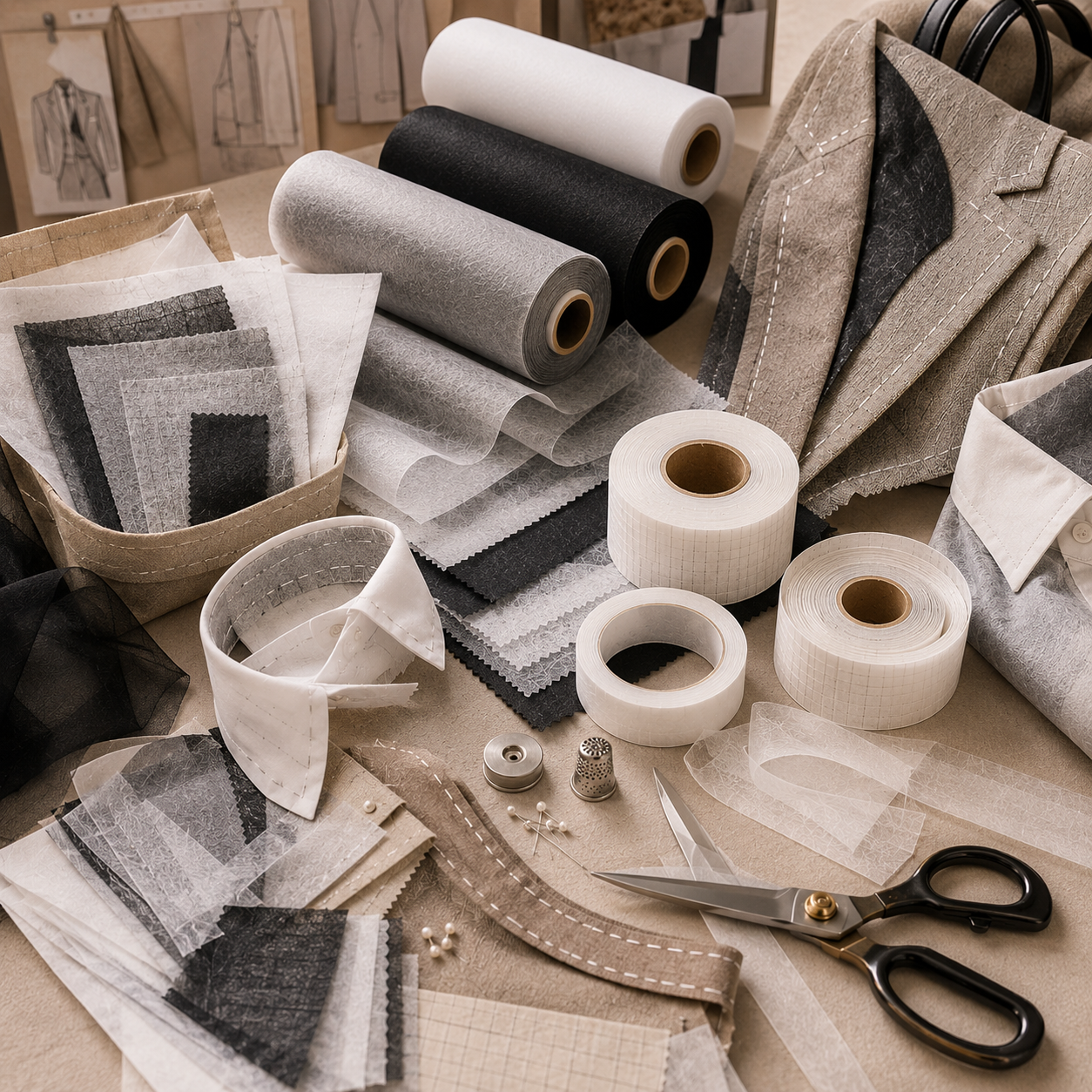
Behind every beautifully structured garment lies an often invisible but essential component: interfacing. Whether you're creating a tailored blazer, reinforcing a shirt collar, shaping a handbag or constructing couture garments, the right interfacing provides stability, structure and long-lasting performance.
Since 1951, Accessoires Leduc has supplied tailoring materials, sewing notions and garment construction essentials to professional ateliers, fashion designers, sewing schools and creative makers across Belgium and Europe. Our collection of interfacing and interlining fabrics brings together trusted solutions for garment reinforcement, shaping and professional finishing.
From lightweight fusible interfacing for delicate fabrics to structured sew-in interlining for tailoring and bag making, these materials help transform good sewing into professional garment construction.
How to Choose the Right Interfacing
Choosing the correct interfacing depends on your fabric, project and desired level of structure.
Choose Fusible Interfacing for Everyday Garment Sewing
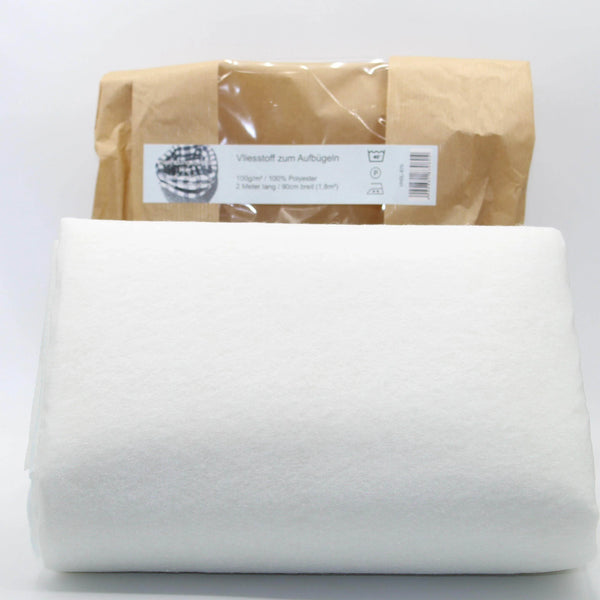
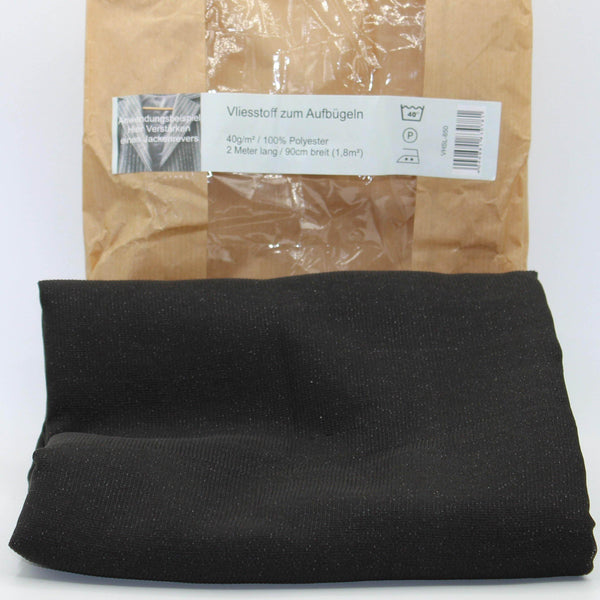
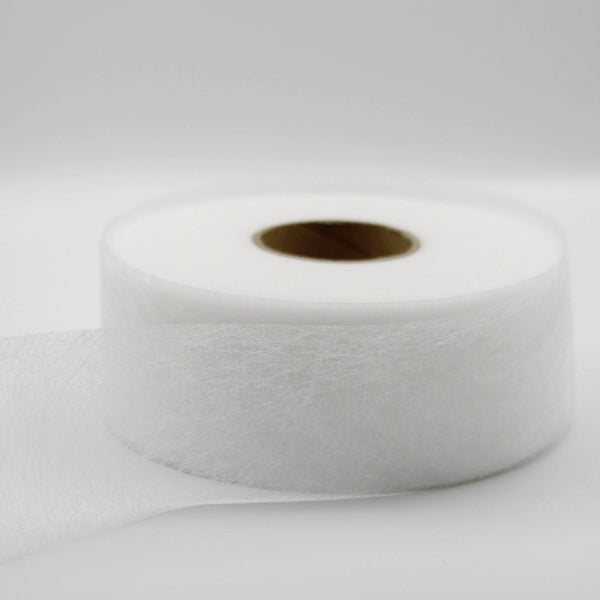
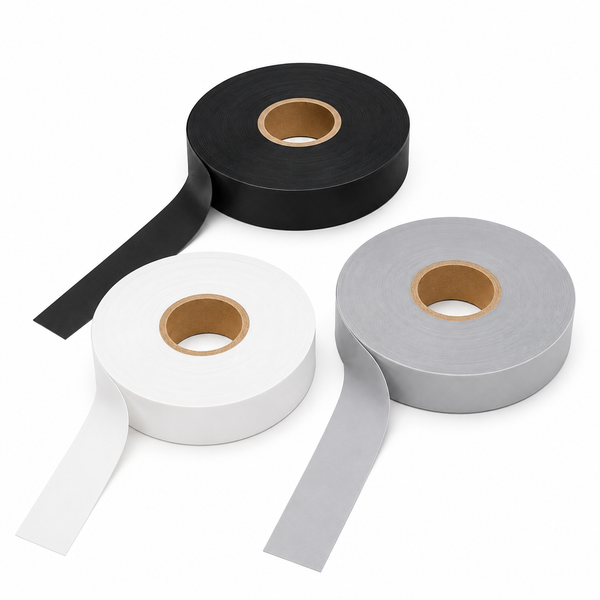
Fusible interfacing is one of the most popular options because it bonds directly to fabric using heat. It is ideal for collars, cuffs, button plackets, waistbands and dressmaking projects where efficiency and consistent support are important.
Choose Sew-In Interfacing for Delicate or Luxury Fabrics
Sew-in interfacing is often preferred for couture garments, delicate fabrics and projects where flexibility and drape must be preserved. Because it is stitched rather than fused, it avoids potential adhesive marks on sensitive materials.
Choose Vlieseline for Reliable Garment Structure
Vlieseline stabilizers are trusted worldwide by professional makers for their consistency, durability and broad range of applications. They are commonly used for garment reinforcement, embroidery support and bag making.
Choose Heavyweight Support Materials for Bags & Structured Projects
For handbags, accessories, belts and structured fashion pieces, heavier interlining materials provide the stability needed to maintain shape while improving durability.
Professional Interfacing Selection Rules
Experienced tailors and garment makers often follow a few simple principles:
- Match the weight of the interfacing to the weight of the fabric.
- Use lightweight interfacing for delicate fabrics and blouses.
- Use medium-weight interfacing for shirts, collars and dressmaking.
- Use heavyweight support materials for bags, belts and structured garments.
- Test fusible interfacing on fabric scraps before applying it to the final project.
- Choose sew-in interlining when working with delicate, luxury or heat-sensitive fabrics.
These guidelines help improve garment structure, comfort and long-term durability.
Most Popular Uses Among Tailors & Fashion Designers
Our best-selling interfacing products are frequently used for shirt collars, cuffs, waistbands, jacket fronts and professional tailoring projects. Fashion designers often combine Vlieseline stabilizers with pattern-making and garment construction materials to create garments with clean lines and consistent structure.
Bag makers regularly choose heavier reinforcement materials to add body and stability to handbags, pouches and accessories. Sewing schools and workshops favour fusible interfacing because it offers reliable results for beginners and experienced makers alike.
Why Professionals Trust Accessoires Leduc
For more than seventy years, Accessoires Leduc has supported generations of garment makers, tailors and fashion professionals by providing carefully selected sewing and tailoring materials.
Our experience comes from decades of working with real ateliers, educators, manufacturers and creative makers who rely on dependable products every day. This expertise helps us curate interfacing solutions that balance ease of use, durability and professional-quality results.
Whether you're reinforcing a shirt collar or constructing a couture jacket, we help makers choose materials with confidence.
Complete Your Garment Construction Toolkit
Interfacing works best when combined with the right garment construction materials.
Explore our Sewing Threads & Overlock Yarns for durable seams, Sewing Needles & Machine Needles for precise stitching, Zippers & Fasteners for professional closures and Measuring & Marking Tools for accurate pattern preparation.
Tailors and fashion designers frequently pair interfacing with Buttons, Tailoring Supplies and Pattern-Making Tools to achieve a polished, professional finish throughout the garment construction process.
Together, these collections support every stage of dressmaking, tailoring and fashion production.
Frequently Asked Questions
What is the difference between interfacing and interlining?
Interfacing is typically attached to specific garment sections such as collars and cuffs to add structure, while interlining is placed between fabric layers to provide additional body, warmth or support throughout larger garment areas.
Should I choose fusible or sew-in interfacing?
Fusible interfacing is faster and easier to apply, making it ideal for most sewing projects. Sew-in interfacing is often preferred for couture garments and delicate fabrics where flexibility and drape are important.
What interfacing should I use for collars and cuffs?
Medium-weight fusible interfacing is commonly used for collars, cuffs and shirt plackets because it provides support while maintaining comfort.
What is Vlieseline used for?
Vlieseline is widely used for garment reinforcement, embroidery stabilization, bag making and structured sewing projects requiring reliable support.
What interfacing is best for handbags?
Heavyweight interfacing and reinforcement materials are generally preferred for handbags and accessories because they help maintain shape and improve durability.
Do I need to pre-test interfacing before use?
Yes. Professional makers typically test interfacing on a fabric scrap first to ensure compatibility, adhesion and the desired level of structure before applying it to the final project.
11 products